

Shading Greenhouse
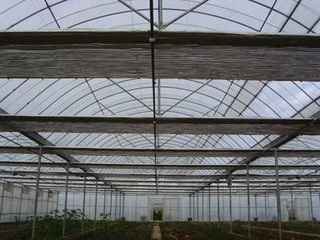
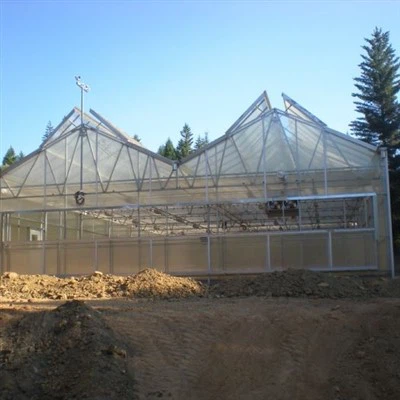
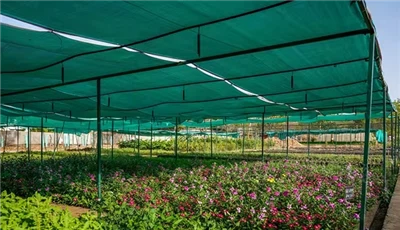
A Shading Greenhouse is a type of agricultural structure designed to provide partial shade to the plants inside, thereby controlling the intensity and duration of sunlight. It typically consists of a framework covered with a translucent material such as polyethylene or glass, and an additional layer of shading material like a net or fabric that can be adjusted or removed to regulate the light levels. The primary purpose of a Shading Greenhouse is to protect plants from excessive heat and intense sunlight, which can lead to stress, reduced growth, and even damage to delicate tissues. By moderating the light, these greenhouses create optimal growing conditions for a wide range of crops, including vegetables, herbs, fruits, and ornamental plants, especially in regions with hot climates or during the summer months. They also help to conserve water by reducing evaporation and can contribute to the overall sustainability of agricultural practices.
Saving energy
Warmth is needed by the majority of the plants. Sometimes enough sun is present for the greenhouse to warm up. However, in the night or on cold days, the Shading Greenhouse should be warmed by the cultivator through a kettle or an cogeneration installation. In order to prevent the disappearance of warmth from the Shading Greenhouse, shading screens are applied. In this case, the screen is used as a blanket to maintain the warmth. The only disadvantage that can be named, is that shading screens reflect the (growth) light. The criterion that the saving of energy should be higher than the costs of ‘growth-loss', is set for shading screens.
Blocking sunlight
The irradiance of the sun is determined by the shading screen, once the light level is too high. Especially on summer days, damage to the crop (burning) can be caused by a high level of irradiance. Shading screens are used for protection. Shading screens are supplied in different shading percentages, in order to make sure there are several options.
Obscuration of light
The excess amount of light is blocked by a shading screen. Different colors are used for a shading screen: black for the bottom and white for the top. Plants and flowers, such as chrysanthemums and kalanchoe, are believed to profit from these different colors. This because specific ‘day- and night-lengths' are needed in order for the plants to flower. The correct day and night rhythm can be achieved by means of assimilation lights and shading screens. The advantage is that the plants can be cultivated at any time of the year.
Limit the loss of light
Screens that are used to limit the loss of light, are opposite to the shading screens that block irradiance from outside. The shading screens that are used to prevent the light from ‘leaving the Shading Greenhouse'are used by companies that utilize assimilation lightening. Through this screen, the loss of light is limited, resulting in the minimization of disturbance of the direct environment of the Shading Greenhouse. When these screens are used, they are fully closed. An advantage, is that in the ‘dark hours' the screens lead to an energy saving of up to 25%.
Spread diffuse light
Moreover, light can be diffused with the help of a shading screen. Often, this function is combined with the sun blocking function of the screen. Due to diffused light, light on every part of the crop is ensured (also the parts that are harder to reach). Moreover, burning of the crop is prevented by diffusing the light.
-
![White Shade Netting]()
White Shade Netting
White Shade Netting is a versatile and effective solution designed to provide sun protection andAdd to Inquiry -
![Hdpe Sun Shading Net]()
Hdpe Sun Shading Net
HDPE Sun Shading Net, also known as High-Density Polyethylene Sunshade Net, is a lightweight,Add to Inquiry -
![Black Shade Cloth Agriculture Greenhouse]()
Black Shade Cloth Agriculture Greenhouse
Black shade cloth agriculture greenhouse is a type of fabric made from polyethylene or similarAdd to Inquiry -
![Black Shade Cloth Agriculture Greenhouse]()
Black Shade Cloth Agriculture Greenhouse
Black Shade Cloth for Agricultural Greenhouses is designed to provide superior light control andAdd to Inquiry -
![Hdpe Sun Shading Net]()
Hdpe Sun Shading Net
The HDPE Sun Shading Net is a versatile and durable shading solution designed to provide effectiveAdd to Inquiry -
![Agricultural HDPE Shade Net]()
Agricultural HDPE Shade Net
The Agricultural HDPE Shade Net is a specialized shading solution designed to provide optimal sunAdd to Inquiry -
![White Shade Netting]()
White Shade Netting
Our White Shade Netting is designed to provide optimal shading and temperature regulation for aAdd to Inquiry -
![Anti-UV HDPE Green Sun Shading Net]()
Anti-UV HDPE Green Sun Shading Net
Superior Sun Protection: Blocks up to 95% of harmful UV rays, safeguarding crops from sunburn andAdd to Inquiry




Why Choose Us
Our Services
The greenhouse can be customized, with free design drawings and quotations, installation drawings, paid technicians on-site installation guidance, one-year warranty, and lifelong after-sales service.
Our Factory
The factory area is 16,000 square meters, 90% of the products are self-produced, and the annual production capacity is 100 hectares.
Product Diversification
Agricultural planting, nursery, hydroponic planting, ecological restaurant, medicinal planting, vegetable planting
Partners All Over The Country
The company's partners are in 72 countries including the united states, uzbekistan, france, saudi arabia, japan, uae, saudi arabia, etc..
Shading Greenhouse:Which Color Of Shade Cloth Is Best For You
White Shade Cloth
White shade cloth works well in areas that are cooler and have more shade throughout the day. This type of shade cloth will help to reflect heat and keep your plants cool. It's also good for areas with less humidity because the white color will help reflect sunlight and reduce water loss by evaporation. It works well for covering decks and patios, as well as for shading fruit trees.
30% shade cloth
Black shade netting is best suited for areas with lots of sunlight and no shading at all. Since black absorbs heat instead of reflecting it as white does, this type of shade cloth will help keep plants cool in direct sunlight as well as prevent them from drying out too quickly if there isn't much humidity in the air (which can happen when there is a lot of strong sunshine).
Black Shade Cloth
Black shade netting is an effective way to keep plants cool in the summer months and protect them from sun damage. It's also great at keeping pests away from your garden because they can't see through it!
Green Shade cloth
Green shade net is probably one of the most popular fabric colors—It looks nice on houses and keeps pests away while still allowing some sunlight so flowering plants can grow healthy and strong without getting burned by too much direct sunlight!
Blue Shade Cloth
Blue-shade cloth is a great choice if you want something to stand out. It's perfect for an event or a place where people will be looking at it from a distance so that it can be seen from far away.
Red Shade Cloth
Another unexpected effect of the red sunshade is its light-selective effect. Using a red sunshade net increases the red light. For some fruit growing, like cherry, grape, and apple, that requires bright color, it increases anthocyanins in the plant, which promotes red color formation, which will boost their economic value.
Silver Shade Cloth
Silver shade cloth has a reflective surface that reflects up to 99% of sunlight away from the plants underneath it. This means that it can be used to protect delicate plants such as seedlings or newly-planted seedlings from sunburn damage during their first few weeks after transplanting into their final growing location (or even longer if necessary).
Beige Shade Cloth
Shade cloth in beige is the perfect product for any garden or home. It's a neutral color can blend seamlessly into any landscape and look beautiful as part of your outdoor decor. Plus, it matches almost every other color, so if you want to change things up later on down the road, it'll be easy to find something that matches!
Frame Material
Generally, aluminum alloy, galvanized steel pipe, and plastic steel pipe are the main materials. For greenhouses with larger areas, aluminum alloy materials are recommended, which have a smooth surface, are corrosion-resistant and durable.
Covering Material
Common materials include polyethylene film, glass, cloth, PC board, etc. When selecting materials, factors such as lighting, heat preservation, and air permeability need to be considered.
Ground Film Material
Ground film is often required for planting in greenhouses. Common materials include PE material, PVDF material, PC material, etc.
Support Material
Used to support vegetables such as grapes, tomatoes, and cucumbers. Commonly used materials include buckle cables and iron wires.


Socket Material
Used to fix support rods. Commonly used materials include plastic sockets and metal sockets.
Clip
Used to clamp the covering film. Commonly used materials include plastic clips and metal clips. The larger the greenhouse area, the more clips are needed.
Rotary Disc Ventilator
Used to control the temperature in the greenhouse. 1-2 need to be installed in conventional greenhouses, and more need to be installed in greenhouses with larger areas.
Automatic Watering System
Used to water vegetables regularly, computer control can greatly improve watering efficiency.
Circulation Fan
Used to maintain air circulation in the greenhouse to prevent moisture, uneven temperature and other problems.
Watering Nozzle
For manual watering or in automatic watering system, choose durable nozzles that are not prone to failure.
How to Effectively Clean a Shade Greenhouse
Interior:
Remove everything from the greenhouse - you should pay particular attention to what is under all of your plants and pots. You may find that there are slugs, eggs or insects that need removing.
Clean all removed pots and wipe down all sides thoroughly, work from the top-down, as this will save you time when you come to sweep all debris out of your greenhouse at the end.
Get a bucket of warm soapy water and begin working your way around the greenhouse, scrubbing from top to bottom. Be sure to place plenty of emphasis on scrubbing areas that are particularly covered by moss or anything of the like.
Once you have given the whole greenhouse a good scrub, get an old toothbrush and begin working your way into more hard to reach areas of your greenhouse and be sure to give them a good clean.
Now that you have cleaned the greenhouse thoroughly, be sure to rinse well with clean water, giving the floor a good scrub and final rinse.
Allow the greenhouse to dry completely, this may take a day or two, don't rush it!
When the greenhouse is dry, you may wish to disinfect it with a reputable product. This will ensure all of the diseases and pests don't come back for a good while. Take care when selecting a disinfectant, to avoid any potentially harmful chemicals, particularly if you grow organically or have any free-roaming animals.
Exterior:
Clear the perimeter - garden furniture, flower pots, decorations etc.
Remove any weeds that have made their home around the base and foundations of the structure. Pay particular attention to any sides of the greenhouse with less accessibility, such as those adjacent to a wall or fence. This will make cleaning easier and also help identify any problem spots - such as any gaps or holes where mice and other pests might gain entry.
Disengage the autovent openers - this will make cleaning the roof much easier as no rogue vents will start opening in the sunshine while you are working.
Clear out the gutters and brush away any leaves from the roof of the greenhouse with a soft-bristled brush. Now might also be a good time to take down your Rhino blinds to store them inside for the winter.
Once any large debris has been cleared, you can begin scrubbing the structure with soapy water. A long mop with an extendable handle is ideal for reaching all the way up the ridges.
We recommend going over the structure again with a fresh bucket of soapy water, to get the glass as clean as possible.
Once clean, you may wish to buff the glass with a soft cloth or cotton t-shirt to avoid smears.
Shaded Greenhouse: Tips to Prevent Overheating
Ventilation
Proper ventilation is essential. Install roof vents, side vents, or fans to create air circulation and allow hot air to escape. Automated vents that open and close based on temperature can be very effective.
Shading
Use shading materials like shade cloths, blinds, or whitewash on the greenhouse glazing to reduce the amount of direct sunlight entering the structure. This can lower the interior temperature significantly.
Evaporative Cooling
Set up an evaporative cooling system, which uses the process of evaporation to lower the air temperature. This can include a misting system, wet walls, or an evaporative cooler.
Thermal Mass
Incorporate thermal mass elements like water barrels or stone benches that can absorb and release heat gradually, helping to stabilize the temperature.
Orientation and placement
Position the greenhouse to take advantage of prevailing winds and minimize direct sun exposure, especially during the hottest times of day.
Ventilation fans
Install exhaust fans that can pull hot air out of the greenhouse and draw cooler air in.
Shading automation
Consider using automated shading systems that can open and close based on temperature thresholds to maintain an optimal growing environment.
How to Choose a Shading Greenhouse
Plant Requirements
Consider the specific needs of the plants in your Shading Greenhouse. Some plants thrive in full sunlight, while others prefer partial or filtered light. Understanding the light requirements of your plants is the first step in choosing the right shade cloth.
Climate
Take your local climate into account. If you're in an area with intense sunlight, a higher shading percentage may be necessary to protect your plants from heat stress. Conversely, in cooler climates, you might want to maximize sunlight exposure to maintain optimal growing conditions.
Fabric Material
Shade cloths are available in various materials, including polyethylene, woven fabric, and knitted fabric. Each material has its advantages. Polyethylene is durable and provides UV protection, while knitted fabrics offer breathability and reduce heat buildup.
UV Protection
Ensure that the shade cloth you choose provides adequate UV protection. This is crucial for preventing sunburn and heat stress in plants. Look for cloths with UV stabilizers to prolong their lifespan and effectiveness.
Durability
Shading Greenhouse environments can be challenging, with exposure to varying temperatures and humidity levels. Select a shade cloth that is durable and can withstand these conditions. Reinforced edges and high-quality stitching contribute to the longevity of the cloth.
Installation and Removal
Consider the ease of installation and removal. Some shade cloths come with grommets or other fastening mechanisms, simplifying the process. This is particularly important if you plan to adjust shading throughout the growing season.
Lath House
Lath houses are framed structures that are covered with wood lath. Lath houses are also known as original shade houses. Lath houses usually have straight sides and a flat top. The lath house frame is similar to a regular shade house but the cover consists of removable wooden strips.
Cable Frame Shade Houses
In cable frame shade houses, posts that are surrounded by concrete are set into the ground. Deadmen provide the bracing for the tension of the wire. The roof can be fixed with any shade cloth.
Rigid Frame Shade Houses
For rigid frame shade houses, the shade cloth is attached to roll formed truss through the screws. Diagonal knee braces create the rigid frame diagonally and horizontally.
Retractable Roof Shade Houses
Shade houses with retractable roofs use the same technology like the one in greenhouses. You can either use a cable or truss to support and carry a design wind load.
How to Install The Shading Greenhouse
Assessing Available Space And Resources
Before diving into Shading Greenhouse construction, take the time to evaluate the available space and resources you have. Even if you only have a small area where you can build a Shading Greenhouse, you can get loads of plants growing healthily. One of the many advantages of Shading Greenhouses is the ability to grow plants vertically, so be careful not to go for something larger than you actually need.
Selecting The Ideal Location
Ideally, the site should receive ample sunlight throughout the day, preferably facing south to maximize exposure. Also, make sure that there aren't any obstructions above the location that could block out the sunlight.Additionally, consider factors like proximity to a water source, accessibility for maintenance and harvesting, and whether or not you're going to run any electrical cabling for an aquaponics Shading Greenhouse.
Climate Considerations
If you live in an area with extreme temperatures, high winds, or heavy snowfall, you need to design your Shading Greenhouse accordingly. Consider adding insulation, reinforced framing, or additional support structures to withstand the elements and ensure the optimal growing environment for your plants.
Designing The Layout
This involves planning the interior space, pathways, and organization of plants and accessories. Consider factors such as efficient space utilization, proper airflow, and easy access for maintenance and harvesting. Create a blueprint or sketch to visualize the layout, keeping in mind the diverse needs of different plant varieties and the workflow within the Shading Greenhouse.
Incorporating Essential Features
During the planning and design phase, you need to consider where you're going to incorporate the essential features of your Shading Greenhouse.These are your airflow systems such as vents, louvers, and fans. Fans need strong ceiling support, vents need a space to install them on the Shading Greenhouse wall. .
Shading Greenhouse Materials And Tools
Building a Shading Greenhouse requires careful consideration of the materials and tools you'll need to ensure a sturdy and functional structure.Choosing the right materials to make your Shading Greenhouse is key depending on what you want to get from it and how well it will do in the conditions in your garden.
FAQ
We're professional shading greenhouse manufacturers in China, specialized in providing high quality customized service. We warmly welcome you to buy discount shading greenhouse from our factory. For quotation, contact us now.
white shade netting