

Are there any regulations for light deprivation greenhouses?
Hey there! I'm a supplier of light deprivation greenhouses, and I often get asked about the regulations surrounding these cool setups. So, let's dive right in and explore what's up with the rules for light deprivation greenhouses.
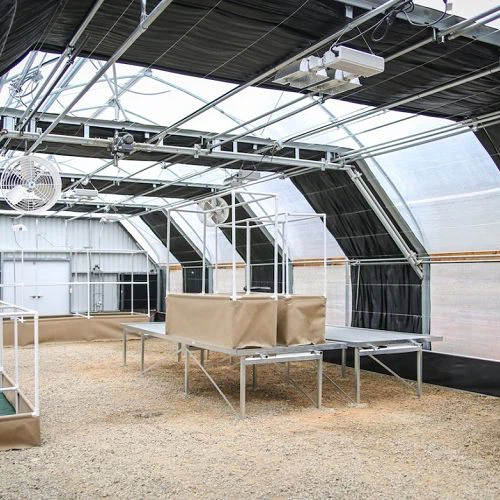
First off, what exactly is a light deprivation greenhouse? Well, it's a special type of greenhouse that allows growers to control the amount of light that plants receive. By using blackout curtains or other shading materials, you can manipulate the light cycle to trigger specific growth responses in plants. This is super useful for growing crops like cannabis, which require a specific light - dark cycle to flower properly.
Now, let's talk regulations. The rules for light deprivation greenhouses can vary a lot depending on where you are. In some areas, there are strict regulations because of the potential use of these greenhouses for growing certain crops, especially cannabis.
Local Zoning Laws
Local zoning laws play a huge role. Some municipalities have very clear guidelines on where you can and can't set up a light deprivation greenhouse. For example, they might restrict them from being placed near schools, residential areas, or in flood - prone zones. This is mainly for safety and community concerns. If you're thinking about installing a Commercial Light Deprivation Greenhouse, you need to check with your local zoning department first. They'll tell you if your chosen location is suitable according to the local laws.
Building Codes
Building codes are another important aspect. These codes ensure that the greenhouse is structurally sound and safe. They cover things like the materials used, the foundation, and the overall design. For instance, the greenhouse should be able to withstand local weather conditions, such as high winds or heavy snow. If you're using a Light Dep Greenhouse Kit, make sure it meets all the relevant building codes in your area. This might involve getting the kit inspected by a local building inspector to ensure compliance.
Crop - Specific Regulations
If you're growing certain crops in your light deprivation greenhouse, there are often additional regulations. As I mentioned earlier, cannabis is a big one. In regions where cannabis is legal for either medical or recreational use, there are strict rules about how it can be grown. This includes limits on the number of plants you can grow, security measures to prevent unauthorized access, and requirements for labeling and tracking the crop from seed to sale. Even if you're growing other crops, there might be regulations regarding the use of pesticides, fertilizers, and water management.
Environmental Regulations
Environmental regulations also come into play. Light deprivation greenhouses can have an impact on the local environment. For example, the use of water in the greenhouse needs to be managed properly to avoid over - extraction or pollution of local water sources. There might also be regulations regarding the disposal of waste materials, such as old greenhouse plastics or plant debris. Some areas encourage the use of sustainable practices, like using renewable energy sources to power the greenhouse. If you're looking at a Blackout Greenhouse, you should consider how it fits into the local environmental regulations.
Permitting Process
To legally operate a light deprivation greenhouse, you'll usually need to go through a permitting process. This involves applying for various permits from different local and sometimes state agencies. The permits can include a building permit, a zoning permit, and a permit for growing certain crops if applicable. The process can be time - consuming and might require you to submit detailed plans and documentation about your greenhouse project. It's important to start the permitting process early to avoid any delays in getting your greenhouse up and running.

International Considerations
If you're involved in international trade of products grown in your light deprivation greenhouse, there are additional regulations. Different countries have their own rules regarding the import and export of agricultural products. This can include phytosanitary requirements (to ensure that the products are free from pests and diseases), labeling requirements, and tariffs. It's crucial to understand these international regulations if you plan to expand your business beyond your local market.
Why Regulations Matter
You might be wondering why all these regulations are necessary. Well, they serve several important purposes. Firstly, they protect the health and safety of the community. For example, by regulating the use of pesticides and ensuring proper waste disposal, we can prevent contamination of the environment and protect public health. Secondly, regulations help maintain a level playing field for growers. Everyone has to follow the same rules, which ensures fair competition in the market. Finally, regulations can also help promote sustainable and responsible farming practices, which are beneficial for the long - term health of our planet.
Working with a Supplier
As a light deprivation greenhouse supplier, I'm here to help you navigate these regulations. I've seen firsthand how confusing they can be, especially for new growers. When you work with me, I can provide you with information and resources to help you understand the regulations in your area. I can also offer advice on choosing the right greenhouse that meets all the necessary requirements. Whether you're interested in a commercial setup or a smaller Light Dep Greenhouse Kit, I can guide you through the process.
Conclusion
In conclusion, there are definitely regulations for light deprivation greenhouses, and they vary depending on many factors. It's essential to do your homework and understand the rules in your area before you start your greenhouse project. Whether it's local zoning laws, building codes, or crop - specific regulations, compliance is key. If you have any questions or need more information about light deprivation greenhouses and the regulations surrounding them, don't hesitate to reach out. I'm here to help you make your greenhouse project a success. If you're interested in purchasing a light deprivation greenhouse, let's start a conversation about your needs and how we can work together to ensure you get a greenhouse that meets all the regulations and your specific requirements.
References
- Local government websites for zoning, building, and environmental regulations.
- Agricultural extension services for crop - specific regulations.
- International trade databases for import/export regulations.


