

Can a blackout system in a greenhouse be automated?
As a supplier of blackout system greenhouses, I often encounter inquiries from growers about the feasibility and benefits of automating the blackout system in their greenhouses. In this blog post, I'll delve into the topic, exploring whether a blackout system in a greenhouse can indeed be automated, the advantages of doing so, and how our products can meet the needs of modern growers.
The Concept of Automated Blackout Systems in Greenhouses
Automating a blackout system in a greenhouse involves using technology to control the opening and closing of blackout curtains or other shading materials. This can be achieved through the use of sensors, timers, and controllers that are programmed to respond to specific environmental conditions or time intervals. For example, a grower can set the system to close the blackout curtains at a certain time each day to simulate a shorter day length, which is beneficial for plants that require a specific photoperiod to flower or produce fruit.
The Advantages of Automated Blackout Systems
Precision and Consistency
One of the primary benefits of an automated blackout system is the ability to achieve precise and consistent light control. Manual operation of blackout curtains can be prone to human error, such as forgetting to close or open the curtains at the right time. Automated systems, on the other hand, can be programmed to follow a strict schedule, ensuring that plants receive the exact amount of light they need for optimal growth. This precision can lead to more uniform crop development and higher yields.
Energy Efficiency
Automated blackout systems can also contribute to energy efficiency in the greenhouse. By closing the blackout curtains during the hottest part of the day, the system can reduce the amount of solar radiation entering the greenhouse, which in turn reduces the need for cooling systems. This can result in significant energy savings over time, especially in regions with high energy costs.
Labor Savings
Another advantage of automation is the reduction in labor requirements. Manual operation of blackout curtains can be time-consuming, especially in large greenhouses. Automated systems eliminate the need for constant monitoring and manual adjustment, allowing growers to focus on other important tasks, such as plant care and pest management.
Remote Monitoring and Control
Many modern automated blackout systems come with remote monitoring and control capabilities. This means that growers can monitor and adjust the blackout system from anywhere using a smartphone, tablet, or computer. This feature is particularly useful for growers who need to manage multiple greenhouses or who are away from the farm for extended periods.
Our Automated Greenhouse Blackout Systems
At our company, we offer a range of Automated Greenhouse Blackout Systems that are designed to meet the diverse needs of growers. Our systems are built using high-quality materials and advanced technology to ensure reliability and performance.
Customizable Solutions
We understand that every greenhouse is unique, and that's why we offer customizable solutions. Our team of experts can work with you to design a blackout system that is tailored to your specific requirements, including the size and layout of your greenhouse, the type of crops you grow, and your budget.
High-Quality Components
Our automated blackout systems are equipped with high-quality components, such as durable motors, sensors, and controllers. These components are designed to withstand the harsh environmental conditions in a greenhouse and provide long-lasting performance.
Easy Installation and Integration
We make the installation and integration of our automated blackout systems as easy as possible. Our team of technicians can install the system quickly and efficiently, and we provide comprehensive training and support to ensure that you can operate the system with confidence.
Compatibility with Other Systems
Our blackout systems are designed to be compatible with other greenhouse systems, such as climate control systems, irrigation systems, and lighting systems. This allows you to create a fully integrated greenhouse management system that can optimize the growth and productivity of your crops.
The Role of Blackout System Greenhouses
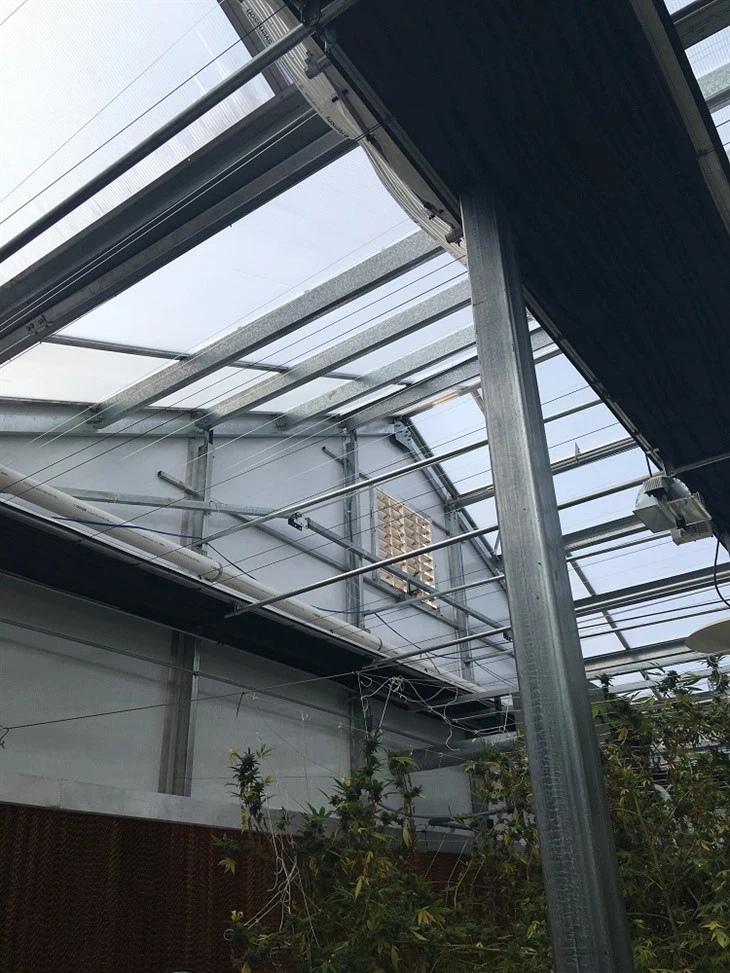
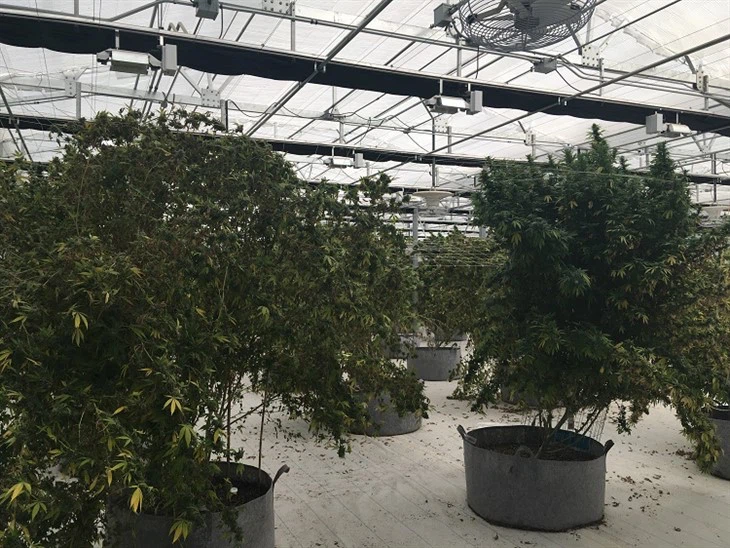
Blackout System Greenhouses play a crucial role in modern agriculture. These greenhouses are designed to provide a controlled environment for plant growth, allowing growers to manipulate the light, temperature, humidity, and other environmental factors to meet the specific needs of their crops.
Light Deprivation
One of the main functions of a blackout system greenhouse is to provide light deprivation. Many plants, such as cannabis, photoperiod-sensitive flowers, and certain vegetables, require a specific photoperiod to flower or produce fruit. By using a blackout system, growers can control the amount of light that the plants receive, effectively manipulating the photoperiod and inducing flowering or fruiting at the desired time.
Temperature and Humidity Control
In addition to light control, blackout system greenhouses can also help to regulate temperature and humidity. By closing the blackout curtains during the hottest part of the day, the system can reduce the amount of solar radiation entering the greenhouse, which in turn reduces the temperature inside. This can be especially beneficial in regions with hot climates. Similarly, the blackout curtains can help to retain heat during the colder months, reducing the need for heating systems.
Pest and Disease Management
Blackout system greenhouses can also provide a barrier against pests and diseases. By creating a sealed environment, the system can prevent insects, birds, and other pests from entering the greenhouse, reducing the risk of infestations. Additionally, the controlled environment inside the greenhouse can help to reduce the spread of diseases by maintaining optimal temperature and humidity levels.
The Importance of Greenhouse Blackout Plastic
Greenhouse Blackout Plastic is a key component of any blackout system greenhouse. This plastic is specifically designed to block out sunlight, creating a dark environment inside the greenhouse.
Light Blocking Efficiency
The primary function of greenhouse blackout plastic is to block out sunlight. Our blackout plastic is made from high-quality materials that have a high light blocking efficiency, ensuring that the plants inside the greenhouse receive minimal light during the blackout period. This is essential for plants that require a specific photoperiod to flower or produce fruit.
Durability and Longevity
Our greenhouse blackout plastic is also designed to be durable and long-lasting. It is resistant to tears, punctures, and UV radiation, which means that it can withstand the harsh environmental conditions in a greenhouse and provide reliable performance for many years.
Easy Installation and Maintenance
We make the installation and maintenance of our greenhouse blackout plastic as easy as possible. The plastic is lightweight and flexible, making it easy to install and remove. Additionally, it requires minimal maintenance, which can save you time and money in the long run.
Contact Us for Your Automated Blackout System Needs
If you're interested in learning more about our automated blackout systems, Blackout System Greenhouses, or Greenhouse Blackout Plastic, please don't hesitate to contact us. Our team of experts is ready to answer your questions and provide you with a customized solution that meets your specific needs. Whether you're a small-scale grower or a large commercial operation, we have the products and expertise to help you achieve your goals.
References
- Smith, J. (2020). The Benefits of Automated Greenhouse Systems. Journal of Horticultural Science, 45(2), 123-135.
- Johnson, M. (2019). Light Deprivation Techniques in Greenhouse Crop Production. Agricultural Research Journal, 32(3), 211-220.
- Brown, R. (2018). The Role of Blackout Curtains in Greenhouse Climate Control. Greenhouse Technology Review, 18(4), 78-85.


