

As a supplier of rain shelter greenhouses, I often get asked by customers whether rain shelter greenhouses need insect screens. It's a great question, and one that doesn't have a one - size - fits - all answer. In this blog, I'll share my thoughts on this topic based on my experience in the industry.
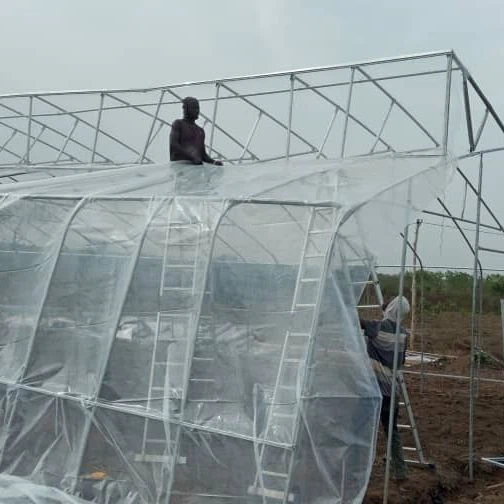
First off, let's understand what a rain shelter greenhouse is. Rain shelter greenhouses are designed to protect plants from excessive rain, hail, and sometimes strong winds. They're super useful, especially in areas where the weather can be a bit unpredictable. We offer different types of rain shelter greenhouses, like the Woven Plastic Film Greenhouse, Poly Tunnel Greenhouse, and Farm Tunnel Greenhouse. Each type has its own unique features and benefits, but they all serve the main purpose of providing a protected environment for plants.
Now, let's talk about insect screens. Insect screens are basically nets that are installed on the openings of a greenhouse. Their main job is to keep insects out while still allowing air to circulate. There are several reasons why you might want to consider adding insect screens to your rain shelter greenhouse.
One of the biggest advantages of using insect screens is pest control. Insects can be a real pain in the neck for greenhouse growers. They can chew on leaves, spread diseases, and even damage the fruits and vegetables. For example, aphids are tiny insects that can suck the sap out of plants, causing them to wilt and die. Whiteflies can spread viruses that can quickly wipe out an entire crop. By installing insect screens, you create a physical barrier that stops these pests from getting into your greenhouse. This means you can reduce the use of pesticides, which is not only better for the environment but also for the health of your plants and the people who consume them.
Another benefit of insect screens is that they can help with pollination management. In a greenhouse, you have more control over the pollination process. Some growers prefer to introduce specific pollinators, like bees, to their greenhouses. Insect screens can prevent other unwanted insects from getting in and competing with the pollinators. At the same time, they can keep the pollinators inside the greenhouse, ensuring that they do their job of pollinating the plants. This can lead to better fruit set and higher yields.
Insect screens also play a role in climate control. They can act as a buffer, reducing the amount of direct sunlight and heat that enters the greenhouse. This can be especially important during the hot summer months. By blocking some of the sunlight, the screens can help keep the temperature inside the greenhouse more stable. This is beneficial for plants because extreme temperatures can stress them out and affect their growth.

However, there are also some downsides to using insect screens in rain shelter greenhouses. One of the main concerns is reduced air circulation. Insect screens can restrict the flow of air, which can lead to higher humidity levels inside the greenhouse. High humidity can create a breeding ground for fungi and other diseases. To counter this, you might need to install additional ventilation systems, like fans or vents, to ensure proper air movement.
Another issue is the cost. Installing insect screens can add to the overall cost of your rain shelter greenhouse. You have to consider the cost of the screens themselves, as well as the labor required to install them. And if you have a large greenhouse, the cost can really add up.
So, do rain shelter greenhouses need insect screens? Well, it depends on your specific situation. If you're growing crops that are particularly susceptible to insect damage, or if you're in an area with a high insect population, then insect screens are probably a good investment. They can save you a lot of headaches in the long run by protecting your plants from pests and diseases.
On the other hand, if you're growing hardy plants that can tolerate a little bit of insect activity, or if you have a small greenhouse where pest control is easier to manage, you might be able to get away without insect screens. But even in these cases, it's still worth considering the long - term benefits of having them.
Let's look at some real - world examples. I have a customer who grows tomatoes in a Poly Tunnel Greenhouse. Before installing insect screens, he was constantly dealing with tomato hornworms and other pests. He had to spray pesticides regularly, which was not only expensive but also affected the taste of his tomatoes. After adding insect screens, he noticed a significant reduction in pest problems. His tomato plants were healthier, and he was able to grow better - quality tomatoes without using as many chemicals.
Another customer who has a Farm Tunnel Greenhouse grows herbs. She wanted to attract bees for pollination but was worried about other insects getting in. By installing insect screens, she was able to create a controlled environment where only the bees she introduced could enter. This led to better pollination and higher yields of her herbs.
In conclusion, while rain shelter greenhouses don't absolutely need insect screens, they can offer a lot of benefits. They can help with pest control, pollination management, and climate control. However, you need to weigh the advantages against the disadvantages, such as reduced air circulation and increased cost.
If you're thinking about getting a rain shelter greenhouse or adding insect screens to your existing one, I'd love to have a chat with you. I can help you figure out the best solution for your specific needs. Whether you're a small - scale hobby grower or a large - scale commercial farmer, we have the expertise and the products to help you succeed. Don't hesitate to reach out if you have any questions or if you're interested in learning more about our rain shelter greenhouses and insect screens.
References
- University of California Agriculture and Natural Resources. "Managing Pests in Greenhouses."
- Royal Horticultural Society. "Greenhouse Pests and Diseases."
- American Society of Agricultural and Biological Engineers. "Ventilation and Climate Control in Greenhouses."


