

Adjusting the light intensity for different growth stages of greenhouse plants is a critical aspect of successful cultivation. As a supplier of blackout light greenhouses, I understand the importance of providing the right amount of light at each phase of a plant's life cycle. In this blog, I'll share some insights on how to manage light intensity effectively in a greenhouse environment.
Understanding the Growth Stages of Greenhouse Plants
Plants go through several distinct growth stages, each with its own light requirements. The main stages include germination, vegetative growth, flowering, and fruiting.

Germination
During germination, seeds need a relatively low level of light. In fact, some seeds germinate better in the dark. This is because they are focused on breaking through the seed coat and establishing a root system. A blackout light greenhouse can be extremely useful at this stage. By using Greenhouse Blackout Plastic, you can create a dark environment that mimics the natural conditions underground. Once the seedlings emerge, they can gradually be introduced to light.
Vegetative Growth
The vegetative growth stage is when plants focus on developing leaves, stems, and a strong root system. They require a higher intensity of light to support photosynthesis. In a blackout light greenhouse, you can adjust the light intensity by controlling the duration of light exposure. For most plants, 14 - 18 hours of light per day is ideal during this stage. Automated systems like Automated Greenhouse Blackout Systems can be programmed to open and close the blackout curtains at specific times, ensuring consistent light exposure.
Flowering
Flowering is a crucial stage for many greenhouse plants, especially those grown for their flowers or fruits. Different plants have different photoperiod requirements for flowering. Some plants, known as short - day plants, require long periods of darkness to initiate flowering. In a blackout light greenhouse, you can simulate these conditions by using Auto Blackout Greenhouse technology. For example, plants like chrysanthemums need about 12 - 14 hours of darkness per day to flower properly. By adjusting the blackout curtains, you can create the necessary light - dark cycle.
Fruiting
During the fruiting stage, plants need a balance of light and dark. Adequate light is essential for photosynthesis, which provides the energy for fruit development. However, too much light can also cause stress to the plant. You can adjust the light intensity by reducing the duration of light exposure slightly compared to the vegetative stage. For example, 12 - 14 hours of light per day may be sufficient for many fruiting plants.
Factors Affecting Light Intensity in a Greenhouse
Several factors can influence the light intensity inside a greenhouse, and it's important to consider these when adjusting the light for different growth stages.
Greenhouse Location
The location of the greenhouse plays a significant role in the amount of natural light it receives. Greenhouses in northern latitudes may receive less sunlight, especially during the winter months. In such cases, supplementary lighting may be necessary. On the other hand, greenhouses in southern latitudes may receive too much sunlight, and blackout systems are crucial to prevent overexposure.
Greenhouse Structure
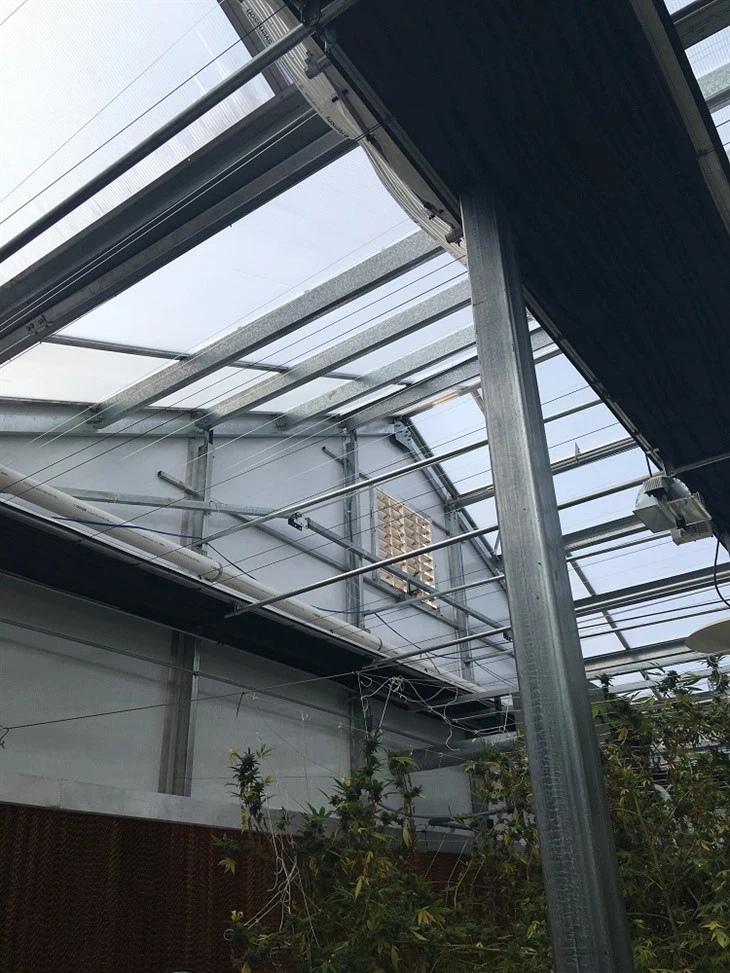
The structure of the greenhouse can also affect light intensity. A greenhouse with a lot of shading from the frame or other structures may reduce the amount of light reaching the plants. It's important to choose a greenhouse design that maximizes light transmission while still providing the necessary support and protection.
Seasonal Changes
Seasonal changes have a major impact on the amount of natural light available. During the summer, days are longer, and the sun is stronger. In a blackout light greenhouse, you may need to use the blackout curtains more frequently to protect the plants from excessive light. In the winter, you may need to supplement the natural light with artificial lighting to meet the plants' requirements.
Methods for Adjusting Light Intensity
There are several methods you can use to adjust the light intensity in a blackout light greenhouse.
Blackout Curtains
Blackout curtains are one of the most effective ways to control light intensity. They can be manually or automatically operated. Automated blackout curtains, such as those in Automated Greenhouse Blackout Systems, offer the advantage of precise control. You can program them to open and close at specific times, ensuring that the plants receive the right amount of light and darkness.
Shade Cloths
Shade cloths can be used to reduce the intensity of sunlight during the summer months. They come in different densities, allowing you to choose the level of shading that is appropriate for your plants. Shade cloths can be installed inside or outside the greenhouse, depending on your specific needs.
Artificial Lighting
Artificial lighting is essential in a blackout light greenhouse, especially during the winter months or in regions with limited sunlight. LED grow lights are a popular choice because they are energy - efficient and can be customized to provide the specific spectrum of light that plants need at different growth stages.
Monitoring and Adjusting Light Intensity
To ensure that you are providing the right amount of light for your greenhouse plants, it's important to monitor the light intensity regularly. You can use a light meter to measure the amount of light reaching the plants. Based on the readings, you can adjust the blackout curtains, shade cloths, or artificial lighting accordingly.
Conclusion
Adjusting the light intensity for different growth stages of greenhouse plants is a complex but essential task. As a supplier of blackout light greenhouses, I offer a range of products, including Auto Blackout Greenhouse, Automated Greenhouse Blackout Systems, and Greenhouse Blackout Plastic, to help you achieve optimal light conditions for your plants.
If you are interested in learning more about our products or have any questions about adjusting light intensity in your greenhouse, I encourage you to reach out. We are here to assist you in creating the perfect growing environment for your plants. Contact us today to start a discussion about your greenhouse needs and how our products can benefit your cultivation.
References
- Smith, J. (2018). Greenhouse Lighting: Principles and Practices. Journal of Horticultural Science.
- Johnson, A. (2019). Photoperiodism in Plants: A Review. Plant Biology Today.
- Brown, C. (2020). Managing Light Intensity in Greenhouses. Agricultural Research Quarterly.


