How does greenhouse blackout affect the genetic expression of plants?
As a supplier of greenhouse blackout solutions, I've witnessed firsthand the transformative impact of controlled light environments on plant growth. Greenhouse blackout is not just about creating darkness; it's a sophisticated technique that can significantly influence the genetic expression of plants, leading to changes in growth patterns, development, and even the production of valuable secondary metabolites.
The Basics of Greenhouse Blackout
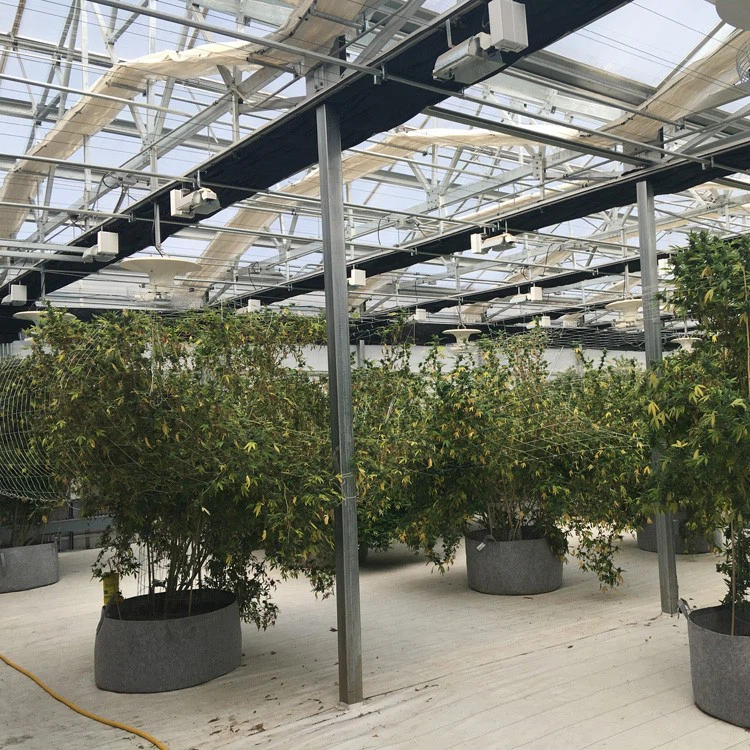
Greenhouse blackout involves the use of specialized systems to block natural light for a specific period. This is typically achieved through the installation of blackout curtains or shading materials that can be automated to open and close at precise times. The goal is to mimic natural light cycles or create artificial ones that are optimized for plant growth. For instance, in the cultivation of certain crops like hemp, a well - designed Hemp All Blackout Greenhouse can provide the ideal light conditions for maximizing yield and quality.
The Greenhouse Blackout System and Blackout System Greenhouse are essential tools in this process. These systems allow growers to control the photoperiod, which is the duration of light and darkness that a plant is exposed to. By manipulating the photoperiod, growers can trigger specific physiological responses in plants, which are often regulated at the genetic level.
Genetic Expression and Photoperiodism
Plants have evolved complex mechanisms to sense and respond to changes in light. Photoperiodism is a biological response in plants that is regulated by the length of day and night. This response is crucial for many developmental processes, such as flowering, dormancy, and tuber formation. At the genetic level, photoperiodism is controlled by a network of genes that are activated or repressed in response to light signals.
For example, in short - day plants, the transition from vegetative growth to flowering is triggered by long nights. When the duration of darkness exceeds a critical threshold, a series of genetic events are initiated. Genes involved in the production of flowering hormones, such as florigen, are activated. Florigen is a mobile signal that travels from the leaves to the shoot apical meristem, where it promotes the transition to the reproductive phase.
In long - day plants, the opposite occurs. These plants flower when the days are long and the nights are short. The genetic pathways in long - day plants are designed to sense the presence of light and initiate flowering when the photoperiod is appropriate. By using a greenhouse blackout system, growers can manipulate the photoperiod to induce flowering in long - day or short - day plants out of their natural season.
Impact on Secondary Metabolite Production
Greenhouse blackout can also have a profound impact on the production of secondary metabolites in plants. Secondary metabolites are compounds that are not essential for the basic survival of the plant but play important roles in defense, attraction of pollinators, and adaptation to the environment. Many of these compounds have significant economic value, such as antioxidants, alkaloids, and essential oils.
In some plants, the production of secondary metabolites is regulated by light. For example, in cannabis plants, the production of cannabinoids, such as THC and CBD, is influenced by the photoperiod. During the vegetative stage, when the plant is exposed to long days, the production of cannabinoids is relatively low. However, when the plant is switched to a short - day photoperiod, typically by using a blackout system, the expression of genes involved in cannabinoid biosynthesis is upregulated.
This upregulation leads to an increase in the production of cannabinoids, which can be harvested for medicinal or recreational use. Similarly, in aromatic plants like lavender, the production of essential oils can be enhanced by manipulating the light environment. By using a blackout system to create specific light cycles, growers can optimize the genetic expression of genes involved in essential oil biosynthesis, resulting in higher - quality and more abundant essential oils.
Epigenetic Changes Induced by Greenhouse Blackout
In addition to direct changes in gene expression, greenhouse blackout can also induce epigenetic changes in plants. Epigenetics refers to changes in gene function that do not involve changes in the DNA sequence itself but are instead caused by modifications to the DNA or associated proteins.
One of the most common epigenetic modifications is DNA methylation, which involves the addition of a methyl group to the DNA molecule. DNA methylation can affect gene expression by preventing the binding of transcription factors to the DNA, thereby silencing genes.
Studies have shown that changes in the photoperiod can induce DNA methylation changes in plants. For example, in rice plants, exposure to different photoperiods can lead to changes in the methylation patterns of genes involved in flowering and stress response. These epigenetic changes can have long - term effects on the plant's phenotype and can be passed on to the next generation.
By using a greenhouse blackout system, growers can potentially manipulate these epigenetic changes to improve plant traits. For example, they can induce epigenetic modifications that enhance stress tolerance or increase the production of valuable secondary metabolites.
Practical Considerations for Growers
When using a greenhouse blackout system to influence genetic expression in plants, there are several practical considerations that growers need to keep in mind.
Firstly, it is essential to choose the right blackout system for the specific crop and growing conditions. Different plants have different light requirements, and the blackout system should be able to provide the appropriate photoperiod. Additionally, the system should be reliable and easy to operate to ensure consistent and accurate light control.
Secondly, growers need to monitor the plants closely to ensure that the blackout treatment is having the desired effect. This may involve observing changes in growth rate, flowering time, and the production of secondary metabolites. If necessary, adjustments can be made to the photoperiod or other environmental factors to optimize the genetic expression of the plants.
Finally, it is important to consider the cost - effectiveness of using a blackout system. While the benefits of manipulating genetic expression can be significant, the initial investment in a high - quality blackout system and the ongoing operational costs need to be weighed against the potential increase in yield and quality.

Conclusion
Greenhouse blackout is a powerful tool that can have a profound impact on the genetic expression of plants. By manipulating the photoperiod, growers can control flowering, enhance secondary metabolite production, and induce epigenetic changes. As a supplier of greenhouse blackout solutions, I am excited to see the potential of this technology in modern agriculture.
If you are a grower interested in exploring the benefits of greenhouse blackout for your crops, I encourage you to reach out for a discussion. Whether you are looking to optimize the production of a specific crop or to experiment with new growing techniques, our team can provide you with the expertise and solutions you need.
References
- Thomas, B., & Vince - Prue, D. (1997). Photoperiodism in plants. Academic Press.
- Mouradov, A., Cremer, F., & Coupland, G. (2002). Control of flowering time: Interacting pathways as a basis for diversity. The Plant Cell, 14(Suppl), S111 - S130.
- Fankhauser, C., & Staiger, D. (2002). Light control of plant development. The Arabidopsis Book, e0014.
- Luo, M., & He, Y. (2014). Epigenetic regulation of flowering time in plants. Frontiers in Plant Science, 5, 614.