

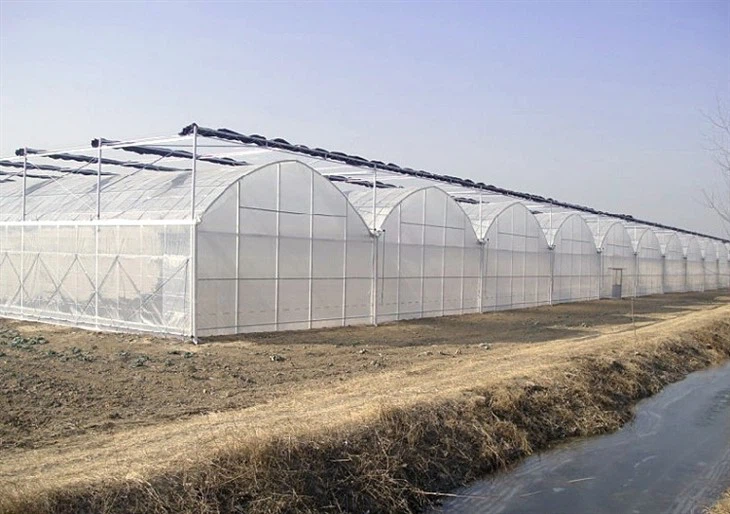
Picking the right door for a rain shelter greenhouse can be a bit of a head - scratcher. But don't worry, as a rain shelter greenhouse supplier, I've got some tips to share with you that'll make this decision a whole lot easier.
First off, let's talk about why the door of a rain shelter greenhouse is such a big deal. The door is not just an entry point; it's a crucial part of the greenhouse's overall functionality. It affects ventilation, temperature control, and even pest prevention. A well - chosen door can help keep your plants happy and healthy.
Types of Greenhouse Doors
There are a few common types of doors you can consider for your Rain Shelter Greenhouse.
Hinged Doors
Hinged doors are the classic choice. They swing open just like the doors in your house. These doors are great because they're simple to use and can be made to fit almost any size of greenhouse. You can choose to have them open inwards or outwards, depending on your needs. If you have a lot of space outside the greenhouse, an outward - opening door can be a good option as it won't take up any interior space.
However, one thing to keep in mind with hinged doors is that they can be a bit tricky to seal properly. If not sealed well, they can let in cold air during the winter or hot air during the summer, which can throw off the temperature inside the greenhouse.
Sliding Doors
Sliding doors are another popular option. They move horizontally along a track, which means they don't require any extra space to open. This is a huge advantage if you have limited space around your greenhouse. Sliding doors also tend to seal better than hinged doors, which helps with temperature control.
But sliding doors can be a bit more expensive to install, and they require a smooth track to function properly. If the track gets dirty or damaged, the door may not slide smoothly, which can be a real pain.
Roll - up Doors
Roll - up doors are often used in larger greenhouses. They're easy to operate, as you simply roll them up or down. These doors are great for quick access to the greenhouse, and they can be opened wide to allow for large equipment or supplies to be moved in and out.
On the downside, roll - up doors may not provide the best insulation. They can also be a bit more difficult to repair if something goes wrong.
Factors to Consider When Choosing a Door
Size
The size of the door is super important. You need to make sure it's big enough for you to comfortably enter and exit the greenhouse, as well as for any equipment or supplies you might need to bring in. If you plan on using a wheelbarrow or other large tools, you'll want a wider door.
But don't go too big either. A door that's too large can be difficult to seal and may let in more heat or cold than necessary. Measure the space where you plan to install the door carefully and choose a size that's just right.
Material
The material of the door can have a big impact on its durability and performance. Here are some common materials:
- Wood: Wood doors look great and can add a natural touch to your greenhouse. They're also relatively easy to customize. However, wood can rot if it gets wet, so it needs to be properly treated and maintained.
- Aluminum: Aluminum doors are lightweight, durable, and resistant to rust. They're a popular choice for greenhouses because they're easy to clean and require little maintenance. But they can be a bit more expensive than other materials.
- Plastic: Plastic doors are affordable and lightweight. They're also easy to install. However, they may not be as durable as wood or aluminum, and they can become brittle over time, especially in extreme temperatures.
Insulation
Insulation is key when it comes to keeping the temperature inside your greenhouse stable. A well - insulated door can help prevent heat loss in the winter and keep the greenhouse cool in the summer. Look for doors with good insulation properties, such as those with double - pane glass or foam - filled panels.
Security
If you're worried about theft or vandalism, you'll want to choose a door that provides some level of security. A solid door with a good lock can help deter unwanted visitors. You might also consider adding a security screen or a deadbolt for extra protection.
Special Considerations for Different Types of Greenhouses
High Tunnel Hoop House
High tunnel hoop houses are typically more open and less insulated than traditional greenhouses. For these types of structures, a simple roll - up or sliding door can work well. They allow for easy access and ventilation, which is important in a high tunnel hoop house.
Tomato Plant Greenhouse
Tomatoes are sensitive to temperature and humidity changes. So, if you're growing tomatoes in a greenhouse, you'll want a door that provides good insulation and can help maintain a stable environment. A hinged or sliding door with good sealing properties would be a good choice.
Making the Final Decision
Once you've considered all these factors, it's time to make a decision. Don't rush it. Take your time to research different doors and compare prices. You might also want to talk to other greenhouse owners or professionals in the industry to get their advice.
Remember, the right door can make a big difference in the success of your greenhouse. It can help you save on energy costs, protect your plants, and make your greenhouse more enjoyable to use.
If you're still not sure which door is right for your rain shelter greenhouse, don't hesitate to reach out. As a rain shelter greenhouse supplier, I'm here to help you make the best choice for your specific needs. Whether you're a hobbyist gardener or a commercial grower, I can provide you with the information and products you need to get your greenhouse up and running.

So, if you're interested in learning more about our greenhouse doors or other greenhouse products, feel free to get in touch. We can discuss your options, answer your questions, and even provide you with a quote. Let's work together to create the perfect environment for your plants!
References
- "Greenhouse Gardening Basics" by Gardening Experts
- "The Complete Guide to Greenhouse Design and Construction" by Horticultural Press


