

Hey there, fellow greenhouse enthusiasts! As a supplier of double glazed greenhouses, I know firsthand how crucial it is to keep the temperature in check, especially during those scorching summer months. In this blog, I'm gonna share some practical tips on how to control the temperature in a double glazed greenhouse in summer.
Understanding the Basics of a Double Glazed Greenhouse
First off, let's talk a bit about double glazed greenhouses. Double glazing involves using two layers of glass with a layer of air or gas in between. This setup provides excellent insulation, which helps in maintaining a stable temperature inside the greenhouse. It keeps the heat out during summer and retains warmth in winter. You can check out our Heat Preservation Agricultural Glass Greenhouse for more details on the benefits of double glazing.
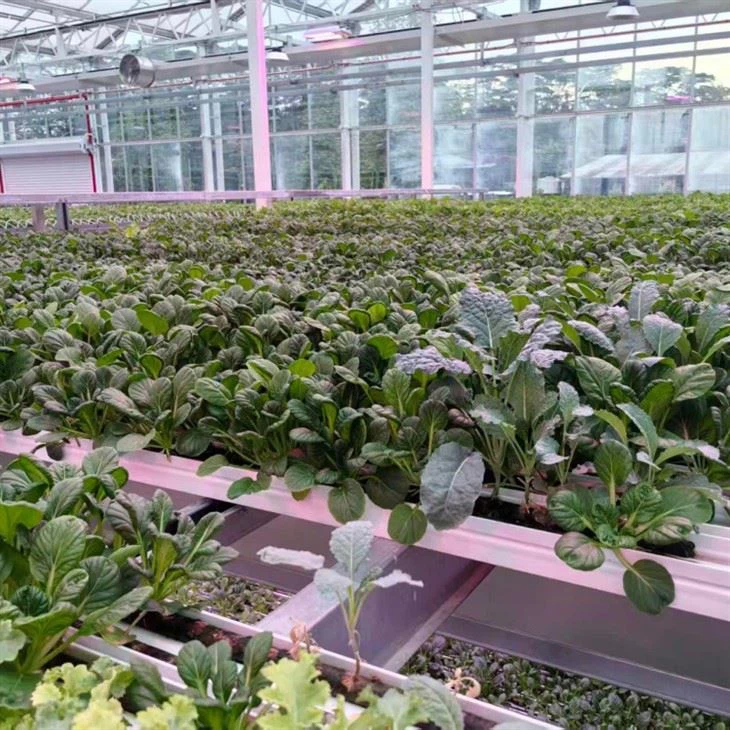

The Problem with Summer Heat
Summer can be a real challenge for greenhouse owners. The intense sunlight can cause the temperature inside the greenhouse to skyrocket, which can be harmful to your plants. High temperatures can lead to wilting, reduced growth, and even death of your precious plants. So, it's essential to take steps to control the temperature and create a comfortable environment for your plants.
Shading
One of the most effective ways to reduce the temperature in a double glazed greenhouse during summer is by using shading. Shading helps to block out a portion of the sunlight, which in turn reduces the amount of heat entering the greenhouse. There are several types of shading options available, including:
Shade Cloth
Shade cloth is a popular choice for greenhouse shading. It comes in different densities, allowing you to choose the level of shading that suits your needs. You can attach the shade cloth to the outside or inside of the greenhouse. Outdoor shade cloth is more effective at blocking sunlight before it enters the greenhouse, while indoor shade cloth can help to diffuse the light and reduce hot spots.
Paint-on Shades
Paint-on shades are another option for shading your greenhouse. These are special paints that can be applied to the outside of the greenhouse glass. They work by reflecting a portion of the sunlight, reducing the heat gain inside the greenhouse. Paint-on shades are easy to apply and can be removed at the end of the summer season.
Automated Shading Systems
If you want a more convenient and precise way to control shading, you can consider an automated shading system. These systems use sensors to detect the intensity of sunlight and automatically adjust the shading accordingly. They can be programmed to open and close the shade cloth at specific times of the day or based on the temperature inside the greenhouse.
Ventilation
Proper ventilation is crucial for maintaining a healthy temperature in your double glazed greenhouse. Ventilation helps to remove hot, stale air from the greenhouse and replace it with fresh, cooler air. Here are some ventilation methods you can use:
Roof Vents
Roof vents are an essential part of any greenhouse ventilation system. They allow hot air to rise and escape from the greenhouse. You can install manual or automated roof vents. Automated roof vents are more convenient as they can open and close based on the temperature inside the greenhouse.
Side Vents
Side vents are also important for ventilation. They help to create a cross-flow of air, which improves the circulation inside the greenhouse. You can open the side vents during the day to allow fresh air to enter and close them at night to retain heat.
Fans
In addition to natural ventilation, you can use fans to improve air circulation inside the greenhouse. There are different types of fans available, including exhaust fans, circulation fans, and oscillating fans. Exhaust fans are used to remove hot air from the greenhouse, while circulation fans help to distribute the air evenly throughout the greenhouse.
Evaporative Cooling
Evaporative cooling is a cost-effective way to lower the temperature in your double glazed greenhouse. It works by using the principle of evaporation to cool the air. Here's how it works:
Misting Systems
Misting systems spray a fine mist of water into the greenhouse. As the water evaporates, it absorbs heat from the surrounding air, cooling it down. Misting systems can be installed on the ceiling or walls of the greenhouse. They can be controlled manually or automatically using a timer or a humidity sensor.
Pad and Fan Systems
Pad and fan systems are another type of evaporative cooling system. They consist of a wet pad on one side of the greenhouse and a fan on the other side. The fan draws air through the wet pad, which cools the air as it evaporates the water. Pad and fan systems are more effective than misting systems, especially in hot and dry climates.
Monitoring and Control
To ensure that the temperature in your double glazed greenhouse is within the optimal range for your plants, it's important to monitor and control the temperature regularly. You can use a thermometer or a temperature sensor to measure the temperature inside the greenhouse. Some temperature sensors can be connected to a controller, which can automatically adjust the shading, ventilation, and cooling systems based on the temperature readings.
Conclusion
Controlling the temperature in a double glazed greenhouse during summer is essential for the health and growth of your plants. By using a combination of shading, ventilation, evaporative cooling, and monitoring, you can create a comfortable environment for your plants even in the hottest of summers.
If you're interested in purchasing a double glazed greenhouse or need more information on temperature control solutions, feel free to get in touch with us. We're here to help you create the perfect greenhouse for your plants. Check out our Glass Greenhouse and Intelligent Agriculture Multi-span Glass Greenhouse for more options.
References
- "Greenhouse Gardening: A Beginner's Guide" by Smith, John.
- "The Complete Book of Greenhouses" by Johnson, Mary.


