Fertilizing plants in a glass greenhouse is a nuanced process that requires a deep understanding of plant needs, the unique environment of the greenhouse, and the various types of fertilizers available. As a glass greenhouse supplier, I have witnessed firsthand the importance of proper fertilization in ensuring healthy plant growth and abundant yields. In this blog post, I will share some essential tips on how to fertilize plants effectively in a glass greenhouse, covering everything from understanding plant nutrient requirements to choosing the right fertilizers and application methods.
Understanding Plant Nutrient Requirements
Before you start fertilizing your plants, it's crucial to understand their specific nutrient requirements. Different plants have different needs, and these needs can also vary depending on the growth stage of the plant. Generally, plants require three primary nutrients: nitrogen (N), phosphorus (P), and potassium (K), often referred to as NPK. Nitrogen is essential for leafy growth, phosphorus promotes root development and flower production, and potassium helps with overall plant health and disease resistance.
In addition to NPK, plants also need secondary nutrients such as calcium, magnesium, and sulfur, as well as micronutrients like iron, manganese, zinc, and copper. These nutrients are required in smaller quantities but are equally important for plant growth.
To determine the nutrient requirements of your plants, you can refer to plant-specific guides or consult with a horticulturist. Soil testing is also an excellent way to assess the nutrient levels in your greenhouse soil and identify any deficiencies or imbalances.
Choosing the Right Fertilizers
Once you understand the nutrient requirements of your plants, the next step is to choose the right fertilizers. There are two main types of fertilizers: organic and inorganic.
Organic Fertilizers
Organic fertilizers are derived from natural sources such as animal manure, compost, bone meal, and fish emulsion. They are rich in organic matter and provide a slow release of nutrients over time. Organic fertilizers improve soil structure, increase water retention, and promote beneficial microbial activity in the soil. They are also environmentally friendly and sustainable.
However, organic fertilizers can be less concentrated than inorganic fertilizers, so you may need to apply larger quantities to meet the nutrient needs of your plants. They also take longer to break down and release nutrients, so they may not be suitable for plants with high nutrient demands or those in a rapid growth phase.
Inorganic Fertilizers
Inorganic fertilizers, also known as synthetic or chemical fertilizers, are manufactured from mineral salts. They are highly concentrated and provide a quick release of nutrients to plants. Inorganic fertilizers are available in various formulations, allowing you to customize the nutrient ratios according to the specific needs of your plants.
While inorganic fertilizers can be effective in providing immediate nutrient support, they can also have some drawbacks. They can cause soil acidification or alkalization over time, and excessive use can lead to nutrient imbalances and environmental pollution.
When choosing fertilizers for your glass greenhouse, consider the type of plants you are growing, their growth stage, and your personal preferences. You may also want to use a combination of organic and inorganic fertilizers to take advantage of the benefits of both.
Fertilizer Application Methods
The method of fertilizer application can significantly impact the effectiveness of fertilization and the health of your plants. Here are some common fertilizer application methods for glass greenhouses:
Broadcasting
Broadcasting involves spreading the fertilizer evenly over the soil surface. This method is suitable for large areas and can be used for both granular and powdered fertilizers. After broadcasting, the fertilizer should be incorporated into the soil to a depth of a few inches to ensure proper nutrient uptake by the plant roots.
Side-Dressing
Side-dressing is the process of applying fertilizer alongside the plant rows or around the base of individual plants. This method is useful for providing additional nutrients to plants during the growing season. Side-dressing can be done with granular fertilizers, which are then lightly raked into the soil or watered in.
Fertigation
Fertigation is the application of fertilizers through the irrigation system. This method allows for precise control of the nutrient application rate and ensures uniform distribution of nutrients throughout the greenhouse. Fertigation is commonly used in commercial glass greenhouses and is suitable for both liquid and water-soluble fertilizers.
Foliar Feeding
Foliar feeding involves spraying a diluted fertilizer solution directly onto the leaves of the plants. This method allows for quick absorption of nutrients by the plants and can be used to correct nutrient deficiencies or provide a boost of nutrients during periods of high demand. Foliar feeding is most effective when done in the early morning or late afternoon to avoid leaf burn.
Considerations for Glass Greenhouse Environment
The environment inside a glass greenhouse can have a significant impact on the fertilization process. Here are some factors to consider:
Temperature and Humidity
The temperature and humidity levels in a glass greenhouse can affect the rate of nutrient uptake by plants. Higher temperatures generally increase the metabolic rate of plants, leading to increased nutrient demand. However, high humidity can also promote the growth of fungi and bacteria, which can affect the health of the plants and the availability of nutrients in the soil.

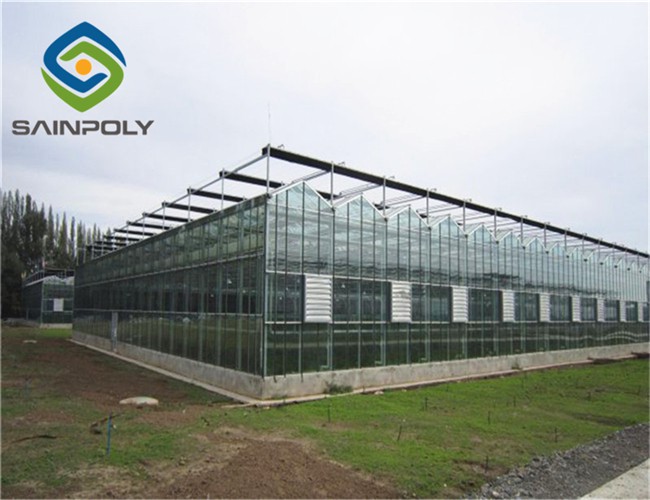
Light Intensity
Light intensity plays a crucial role in photosynthesis, which is the process by which plants convert light energy into chemical energy. Adequate light is essential for the production of carbohydrates, which are used by plants for growth and development. Insufficient light can lead to reduced nutrient uptake and poor plant growth.
Ventilation
Proper ventilation is important in a glass greenhouse to maintain air circulation and prevent the buildup of heat, humidity, and harmful gases. Good ventilation also helps to ensure that the plants receive an adequate supply of carbon dioxide, which is essential for photosynthesis.
Watering Practices
Watering practices in a glass greenhouse can affect the availability of nutrients in the soil. Overwatering can leach nutrients from the soil, while underwatering can cause nutrient deficiencies. It's important to water your plants regularly and evenly, taking into account the specific water requirements of the plants and the environmental conditions in the greenhouse.
Conclusion
Fertilizing plants in a glass greenhouse is a complex but rewarding process. By understanding the nutrient requirements of your plants, choosing the right fertilizers, using appropriate application methods, and considering the unique environment of the glass greenhouse, you can ensure healthy plant growth and maximize your yields.
If you are interested in setting up a glass greenhouse or need further advice on fertilization and plant care, we are here to help. As a leading supplier of Glass Greenhouse, Double Glazed Greenhouse, and Venlo Type Greenhouse, we offer a wide range of high-quality greenhouse solutions tailored to your specific needs. Contact us today to start a discussion about your project and explore how we can support you in achieving your gardening goals.
References
- Marschner, H. (2012). Mineral Nutrition of Higher Plants. Academic Press.
- Epstein, E., & Bloom, A. J. (2005). Mineral Nutrition of Plants: Principles and Perspectives. Sinauer Associates.
- Resh, H. M. (2012). Hydroponic Food Production: A Definitive Guidebook of soilless Food-Growing Methods. CRC Press.