

Hey there! As a supplier of rain shelter greenhouses, I've seen firsthand how these amazing structures can transform your gardening or farming experience. But like any piece of equipment, they need proper maintenance to keep them in tip - top shape. In this blog, I'm gonna share some practical tips on how to maintain a rain shelter greenhouse.
Regular Inspections
The first step in maintaining your rain shelter greenhouse is regular inspections. You should check your greenhouse at least once a week, especially after extreme weather conditions like heavy rain, strong winds, or snowstorms.
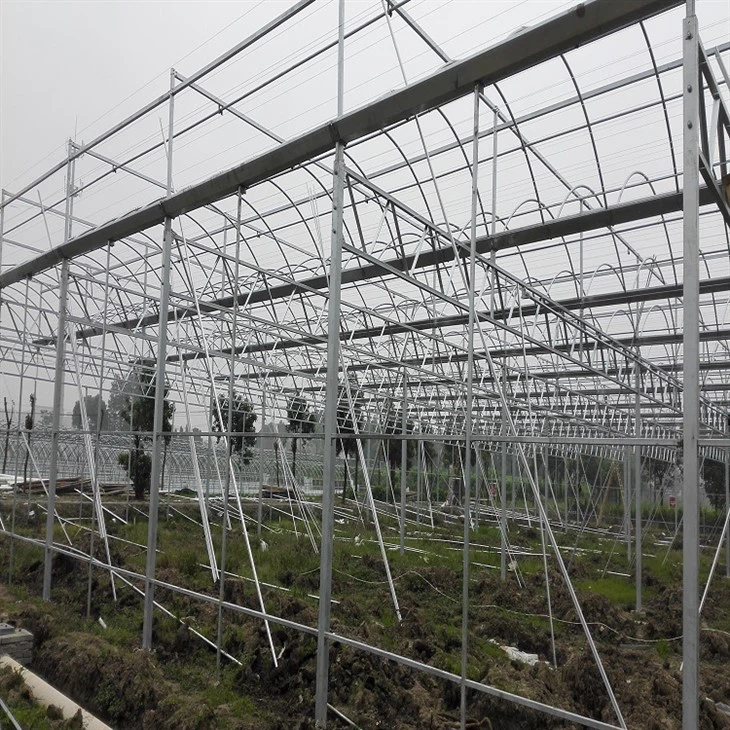
When you do your inspection, start by looking at the frame. Make sure all the joints are tight and there are no signs of rust or corrosion. If you notice any loose parts, tighten them up right away. Rust can weaken the frame over time, so if you spot any rusty areas, use a wire brush to remove the rust and then apply a rust - resistant paint.
Next, take a look at the covering material. Whether it's a plastic film or a more durable polycarbonate panel, check for any tears, holes, or signs of wear. Even a small tear can let in unwanted pests and moisture, which can harm your plants. If you find a tear, you can use a special greenhouse repair tape to patch it up.
Cleaning the Greenhouse
Cleaning is an important part of greenhouse maintenance. A dirty greenhouse can block sunlight, harbor pests, and promote the growth of mold and mildew.
Start by removing any debris from the inside and outside of the greenhouse. This includes fallen leaves, dead plants, and dirt. You can use a broom or a leaf blower to clear the debris.
For the covering material, you can wash it with a mild soap and water solution. Use a soft sponge or a cloth to avoid scratching the surface. Rinse thoroughly with clean water. If you have a plastic film covering, be careful not to use harsh chemicals as they can damage the film.
Don't forget to clean the gutters and downspouts. Clogged gutters can cause water to back up and potentially damage the greenhouse structure. Remove any leaves or dirt from the gutters and make sure the water can flow freely through the downspouts.
Ventilation System Maintenance
Proper ventilation is crucial for a healthy greenhouse environment. It helps control temperature, humidity, and air circulation, which are all important factors for plant growth.
Check your ventilation fans regularly to make sure they are working properly. Clean the fan blades to remove any dust or debris that might be blocking the airflow. If you have automatic vents, test them to ensure they open and close as they should.
You should also inspect the vents themselves for any damage or blockages. Make sure there are no leaves or branches blocking the vents. If you find any damage, repair or replace the vents as needed.
Heating and Cooling Systems
If your rain shelter greenhouse has a heating or cooling system, it's essential to maintain it properly.
For a heating system, such as a propane heater or an electric heater, have it serviced at least once a year by a professional. Check the fuel lines (if applicable) for any leaks and make sure the thermostat is working accurately.
In the case of a cooling system, like an evaporative cooler or an air conditioner, clean the filters regularly. Clogged filters can reduce the efficiency of the cooling system and make it work harder, which can lead to higher energy costs and potential breakdowns.
Pest and Disease Control
Pests and diseases can quickly spread in a greenhouse environment, so it's important to take preventive measures.

Keep the greenhouse clean and free of debris, as this can attract pests. Inspect your plants regularly for signs of pests or diseases, such as yellowing leaves, spots, or insects. If you notice any problems, isolate the affected plants immediately to prevent the spread.
You can use natural pest control methods, such as introducing beneficial insects like ladybugs or using neem oil spray. For more severe infestations, you may need to use chemical pesticides, but make sure to follow the instructions carefully and use them sparingly.
Choosing the Right Rain Shelter Greenhouse
When it comes to choosing a rain shelter greenhouse, there are several options available. For example, you might consider a High Tunnel Hoop House. These are great for growing crops in a semi - protected environment and are relatively easy to set up.
Another option is a White Plastic Film Greenhouse. The white plastic helps to diffuse sunlight, providing more even light distribution for your plants.
If you're looking for a more budget - friendly option, Polytunnel Plastic Greenhouses are a popular choice. They are lightweight and easy to install.
Ground Maintenance
The ground inside the greenhouse also needs some attention. Over time, the soil can become compacted, which can affect plant root growth. You can loosen the soil periodically using a garden fork or a tiller.
If you're using raised beds, check the structure of the beds regularly. Make sure the boards are still in good condition and there are no signs of rot. Replace any damaged boards as needed.
Watering System Maintenance
A proper watering system is essential for your greenhouse plants. If you have an automated watering system, such as drip irrigation, check the pipes and emitters regularly for any clogs or leaks.
Clean the filters in the watering system to ensure a steady flow of water. If you're using a manual watering can, make sure it's clean and in good working condition.
Winterizing Your Greenhouse
If you live in an area with cold winters, you'll need to winterize your rain shelter greenhouse. This includes insulating the greenhouse to keep the heat in. You can use bubble wrap or insulating blankets to cover the inside of the greenhouse.
Remove any water from the pipes to prevent them from freezing and bursting. You may also want to add a layer of mulch around the base of the plants to protect the roots from the cold.
Conclusion
Maintaining a rain shelter greenhouse takes some time and effort, but the rewards are well worth it. A well - maintained greenhouse will not only last longer but also provide a better environment for your plants to thrive.
If you're in the market for a new rain shelter greenhouse or need any advice on maintenance, feel free to reach out. We're here to help you make the most of your greenhouse experience. Whether you're a hobby gardener or a commercial farmer, we have the right greenhouse solution for you. So, don't hesitate to contact us for more information and let's start a great partnership!
References
- "The Greenhouse Gardener's Companion" by Sharon Askew
- "Greenhouse Horticulture" by R. E. McAvoy
- Various industry publications on greenhouse technology and maintenance


