

Hey there! As a supplier of greenhouse blackout plastic, I often get asked about how to maintain the transparency of this plastic, if applicable. Well, I'm here to share some tips and tricks that can help you keep your greenhouse blackout plastic in top - notch condition.
First off, let's understand why maintaining transparency might be important. In some cases, you might want a bit of light to filter through even when the blackout plastic is in use. Maybe you're growing plants that need a bit of ambient light during the off - hours, or you simply want to be able to see inside the greenhouse without fully retracting the plastic.
Cleaning Regularly
One of the most basic ways to maintain the transparency of greenhouse blackout plastic is through regular cleaning. Dirt, dust, and grime can accumulate on the surface of the plastic over time, making it look cloudy and reducing its transparency. You don't need any fancy cleaning agents for this. A simple mixture of mild dish soap and water can do the trick.
Fill a bucket with warm water and add a few drops of dish soap. Use a soft sponge or a microfiber cloth to gently wipe the plastic. Make sure to get rid of all the dirt and debris. Avoid using abrasive materials like steel wool or rough brushes, as they can scratch the plastic and actually make the transparency worse. Rinse the plastic thoroughly with clean water to remove any soap residue.
Protecting from UV Rays
UV rays from the sun can be a real enemy when it comes to maintaining the transparency of greenhouse blackout plastic. Over time, prolonged exposure to UV rays can cause the plastic to become brittle and yellow, which definitely affects its transparency.
To protect your plastic from UV rays, you can use a UV - resistant spray. There are many sprays available in the market that are specifically designed for plastics. Just follow the instructions on the spray can. Usually, you'll need to clean the plastic first and then apply the spray evenly. This will create a protective layer on the plastic surface and help it resist the damaging effects of UV rays.
Another option is to install a shade cloth above the greenhouse blackout plastic. The shade cloth will block a significant amount of UV rays before they reach the plastic. You can find shade cloths with different levels of UV protection. Choose one that suits your needs and the climate in your area.
Handling with Care
How you handle the greenhouse blackout plastic also plays a big role in maintaining its transparency. When you're installing or removing the plastic, be gentle. Avoid pulling or stretching it too hard, as this can cause the plastic to warp or develop wrinkles. Wrinkles can distort the light passing through the plastic and make it look less transparent.
If you need to fold the plastic for storage, do it neatly. Try to fold it along the same lines each time to prevent creases from forming. Creases can also reduce the transparency of the plastic. Store the folded plastic in a cool, dry place away from direct sunlight.
Checking for Damage
Regularly check the greenhouse blackout plastic for any signs of damage. Small holes, tears, or cuts can not only affect the blackout function but also the transparency. If you notice any damage, repair it as soon as possible.
For small holes and tears, you can use a plastic repair tape. There are tapes available that are designed to bond well with plastics. Simply clean the area around the hole or tear, and then apply the tape according to the instructions. Make sure the tape is smooth and there are no air bubbles trapped under it.
If the damage is more severe, you might need to replace the damaged section of the plastic. This might seem like a hassle, but it's better than having a large, visible defect that affects the transparency and the overall performance of the blackout system.
Using the Right Installation Method
The way you install the greenhouse blackout plastic can impact its transparency. Make sure the plastic is installed evenly and taut. If it's too loose, it can sag and create areas where light is distorted, making the plastic appear less transparent.
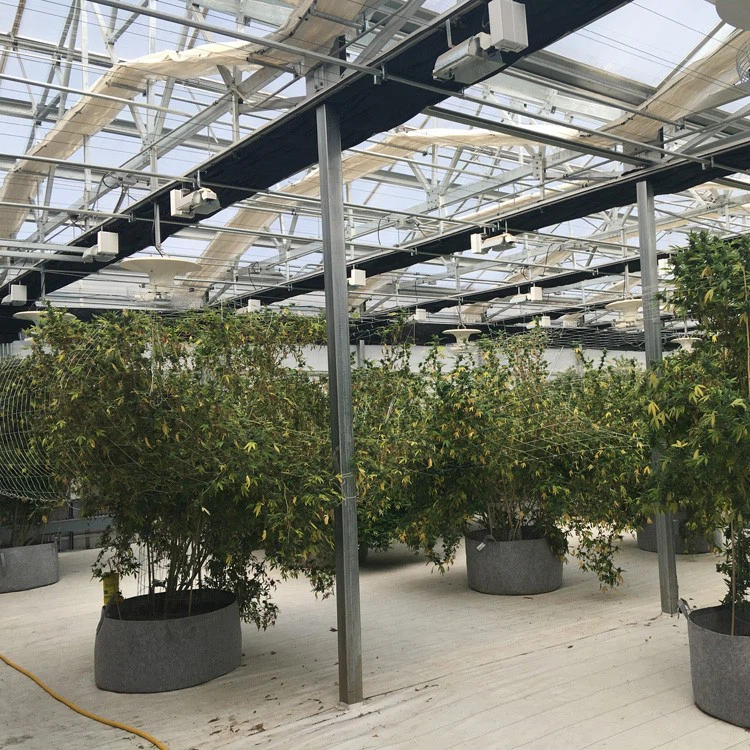

Use the right hardware for installation. For example, if you're using clips or hooks, make sure they are the right size and type for the plastic. They should hold the plastic firmly without causing any damage.
Now, if you're in the market for high - quality greenhouse blackout plastic, we've got you covered. Our plastic is designed to provide excellent blackout performance while also maintaining good transparency when needed. We offer a range of options to suit different greenhouse sizes and requirements.
If you're interested in learning more about Commercial Light Deprivation Greenhouse, Greenhouse Blackout System, or Greenhouse Blackout, just click on the links. These pages have more detailed information about our products and how they can benefit your greenhouse operation.
Whether you're a small - scale hobbyist or a large - scale commercial grower, we're here to help you find the perfect greenhouse blackout plastic solution. If you have any questions or want to discuss your specific needs, don't hesitate to reach out. We're always happy to have a chat and help you make the right choice for your greenhouse. So, let's start a conversation and see how we can work together to make your greenhouse more efficient and productive!
References
- "Plastic Film for Greenhouses: Properties and Applications" - A comprehensive guide on greenhouse plastics and their usage.
- "UV Protection for Plastics" - A research paper on the effects of UV rays on plastics and ways to protect them.
- "Greenhouse Installation Best Practices" - A document that provides tips on proper greenhouse installation, including plastic installation.


