Hey there, fellow mushroom enthusiasts! I'm the owner of a mushroom greenhouse supplier, and I've been in the mushroom - growing game for quite some time. One of the most common questions I get from both newbie and experienced growers is how to set the temperature for different mushroom varieties in a greenhouse. Well, you're in luck because I'm going to share all my tips and tricks with you in this blog.
First things first, let's understand why temperature is such a big deal when it comes to mushroom growing. Mushrooms are sensitive little organisms. They rely on specific temperature ranges to grow, develop, and produce those delicious fruiting bodies we all love. If the temperature is too high or too low, it can slow down their growth, lead to poor yields, or even kill them off completely.
Button Mushrooms (Agaricus bisporus)
Button mushrooms are one of the most popular varieties out there, and they're relatively easy to grow. These guys prefer a temperature range between 55°F and 60°F (12.8°C - 15.6°C) during the spawn run, which is the stage when the mycelium spreads through the growing medium. Once the mycelium has fully colonized the substrate, you can drop the temperature a bit, to around 50°F - 55°F (10°C - 12.8°C) for the fruiting stage.
In a greenhouse, maintaining these temperatures can be a bit tricky. You'll need to invest in a good heating and cooling system. For colder days, a simple heater can do the trick. But on hot summer days, you might need to use a ventilation system or even an air - conditioning unit. And don't forget to monitor the temperature regularly with a reliable thermometer.
Shiitake Mushrooms (Lentinula edodes)
Shiitake mushrooms are a favorite for their rich, umami flavor. They have different temperature requirements at different stages of growth. During the incubation period, when the mycelium is colonizing the logs or sawdust blocks, the ideal temperature is around 70°F - 75°F (21.1°C - 23.9°C).
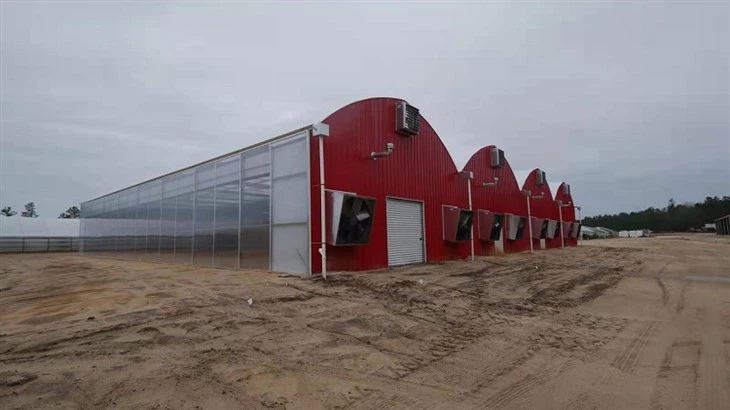
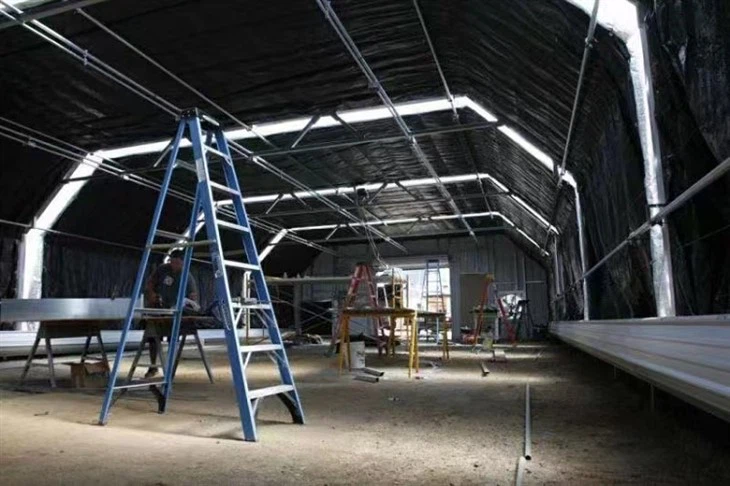
Once the mycelium is well - established, you can induce fruiting by dropping the temperature to 50°F - 60°F (10°C - 15.6°C). This temperature shock helps trigger the formation of mushroom primordia, which will eventually grow into full - sized shiitakes. In a greenhouse, you can use a Greenhouse Blackout system to control the temperature and light levels. This system can help create the right environment for shiitake mushrooms to thrive.
Oyster Mushrooms (Pleurotus ostreatus)
Oyster mushrooms are known for their fast growth and wide range of edible species. They're also quite adaptable when it comes to temperature. During the spawn run, oyster mushrooms can tolerate temperatures between 65°F and 75°F (18.3°C - 23.9°C). For the fruiting stage, a temperature range of 55°F - 65°F (12.8°C - 18.3°C) is ideal.
These mushrooms are a bit more forgiving than some other varieties, but it's still important to keep the temperature within the recommended range. You can use a Blackout System Greenhouse to regulate the temperature and light, especially if you're growing oyster mushrooms in a large - scale greenhouse.
Morel Mushrooms (Morchella spp.)
Morel mushrooms are a gourmet delicacy, and they're a bit more challenging to grow. They have very specific temperature requirements. During the mycelium growth phase, the temperature should be around 55°F - 60°F (12.8°C - 15.6°C). For the fruiting stage, a sudden drop in temperature, followed by a gradual increase, can stimulate morel production.
In a greenhouse, creating these temperature fluctuations can be a bit of a headache. You might need to use a combination of heating, cooling, and ventilation systems. And since morels are sensitive to light as well, a Hemp All Blackout Greenhouse could be a great option to control both temperature and light.
Tips for Temperature Control in a Mushroom Greenhouse
- Insulation: Make sure your greenhouse is well - insulated. This will help keep the temperature stable and reduce the amount of energy needed to heat or cool the space.
- Ventilation: Good ventilation is crucial for maintaining the right temperature and humidity levels. You can use fans, vents, or even automated ventilation systems to ensure proper air circulation.
- Monitoring: Invest in a good temperature and humidity monitoring system. This will allow you to keep a close eye on the conditions inside the greenhouse and make adjustments as needed.
- Shading: In hot weather, shading can help reduce the temperature inside the greenhouse. You can use shade cloths or blinds to block out some of the sunlight.
Conclusion
Setting the right temperature for different mushroom varieties in a greenhouse is a combination of science and art. It takes some time, patience, and a bit of trial and error to get it just right. But with the right equipment and a good understanding of each mushroom's temperature requirements, you can grow healthy, high - yielding mushrooms.
If you're interested in setting up your own mushroom greenhouse or need help with temperature control systems, I'd love to have a chat with you. Whether you're a small - scale hobbyist or a large - scale commercial grower, we have the products and expertise to meet your needs. Reach out to us to start the procurement process and let's grow some amazing mushrooms together!
References
- Stamets, Paul. "The Mushroom Cultivator: A Practical Guide to Growing Mushrooms at Home." Ten Speed Press, 1983.
- Chang, S. T., and Miles, P. G. "Edible Mushrooms and Their Cultivation." CRC Press, 1989.