Hey there! As a supplier of rain shelter greenhouses, I've seen firsthand the amazing benefits these structures bring to farmers, gardeners, and agricultural enthusiasts. In this blog, I'll share with you why using a rain shelter greenhouse can be a game - changer for your growing needs.
Protection from Unpredictable Weather
One of the most significant advantages of a rain shelter greenhouse is its ability to shield your plants from adverse weather conditions. Rain can be a double - edged sword. While plants need water to grow, too much rain can lead to waterlogging, which deprives the roots of oxygen and can cause root rot. With a rain shelter greenhouse, you can control the amount of water your plants receive.
For instance, during heavy downpours, your crops are safe inside the greenhouse. The structure prevents excessive rainfall from directly hitting the plants, ensuring that the soil moisture remains at an optimal level. This is especially crucial for crops that are sensitive to over - watering, like tomatoes and peppers.
Moreover, rain shelter greenhouses also offer protection from hail. Hailstones can cause significant damage to plants, bruising leaves, breaking stems, and even destroying entire crops. A well - built rain shelter greenhouse acts as a shield, absorbing the impact of hailstones and keeping your plants unharmed.
Extended Growing Season
Another great benefit is the ability to extend the growing season. In many regions, the growing season is limited by cold temperatures, frost, and early snowfall. A rain shelter greenhouse can create a microclimate that is warmer and more stable than the outside environment.
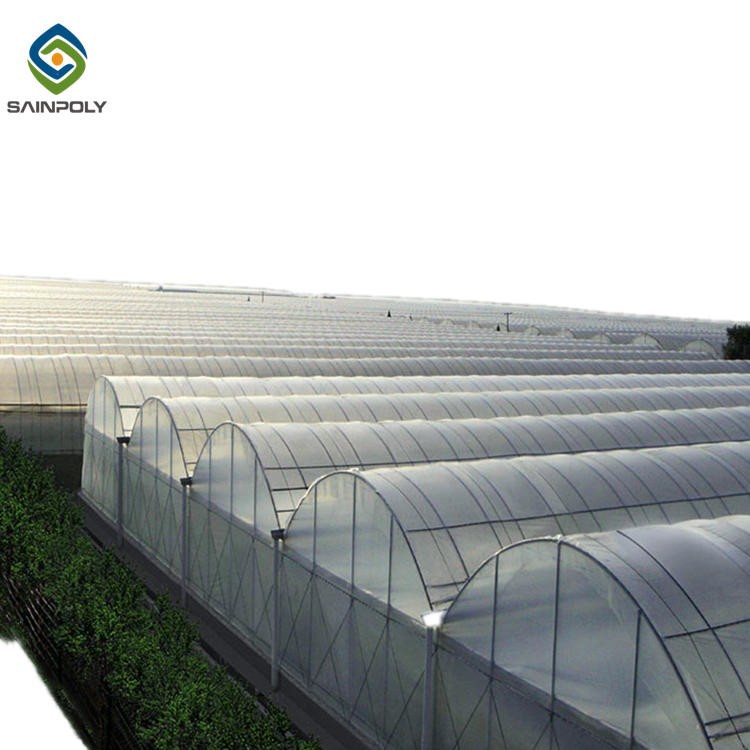

During the early spring and late fall, when it's still too cold to grow plants outdoors, you can start your seedlings or continue to grow cold - sensitive crops inside the greenhouse. The structure traps heat from the sun, creating a warm and cozy environment for your plants. This means you can harvest your crops earlier in the season and continue growing them later into the fall, effectively increasing your yield and profitability.
For example, if you're growing lettuce, which is a cool - season crop, you can start sowing seeds in the greenhouse in early spring, several weeks before it's safe to plant them outdoors. This gives your lettuce a head start and allows you to harvest it earlier than your neighbors who are relying on outdoor gardening.
Pest and Disease Control
Rain shelter greenhouses provide a physical barrier against pests and diseases. Insects and other pests have a harder time getting into the greenhouse, reducing the risk of infestations. You can also implement additional pest control measures more effectively inside the greenhouse, such as using sticky traps or introducing beneficial insects.
Diseases are also less likely to spread in a greenhouse environment. The controlled conditions, including temperature, humidity, and air circulation, can help prevent the growth and spread of fungal diseases, which are often caused by excessive moisture. By keeping the greenhouse clean and well - ventilated, you can minimize the risk of plant diseases and keep your crops healthy.
For example, if you're growing cucumbers, which are prone to powdery mildew, the dry and well - ventilated environment inside the greenhouse can help prevent the development of this disease. You can also monitor your plants more closely in the greenhouse, allowing you to detect and treat any signs of disease early on.
Improved Crop Quality
The controlled environment inside a rain shelter greenhouse leads to improved crop quality. You can adjust the temperature, humidity, and light levels to meet the specific needs of your plants. This results in healthier, more uniform plants with better - tasting fruits and vegetables.
In a greenhouse, you can provide your plants with the right amount of light. You can use shade cloths during the hot summer months to prevent excessive sunlight, which can cause sunburn on plants. And during the winter months, you can use artificial lighting to supplement natural sunlight, ensuring that your plants receive enough light for photosynthesis.
The ability to control humidity is also crucial for crop quality. High humidity can lead to the development of mold and mildew, while low humidity can cause plants to wilt. In a rain shelter greenhouse, you can use ventilation systems to regulate humidity levels, creating an ideal environment for your plants to thrive.
Different Types of Rain Shelter Greenhouses
We offer a variety of rain shelter greenhouses to meet different needs and budgets. For example, the Polytunnel Greenhouse Y - Type is a popular choice. It's easy to install and provides excellent protection for your plants. The Y - type design offers more space and better stability compared to traditional polytunnels.
The Roof Vent Greenhouse is another great option. The roof vents allow for better air circulation, which helps to regulate temperature and humidity inside the greenhouse. This is especially important during the hot summer months when ventilation is crucial for preventing heat stress on plants.
If you're looking for a high - quality greenhouse with long - lasting materials, the Uv Plastic 200 Microns Agricultural Greenhouse is a top choice. The 200 - micron UV plastic film provides excellent protection against UV rays, while also retaining heat and moisture inside the greenhouse.
Cost - Effectiveness
When you consider the long - term benefits, rain shelter greenhouses are a cost - effective investment. While the initial cost of purchasing and installing a greenhouse may seem high, the increased yield, extended growing season, and reduced pest and disease problems can result in significant savings over time.
You'll also save on water costs. Since you can control the amount of water your plants receive in the greenhouse, you can use water more efficiently and reduce waste. Additionally, you'll spend less on pesticides and fungicides because the greenhouse environment helps to prevent pest and disease infestations.
Contact Us for Purchase and Consultation
If you're interested in learning more about our rain shelter greenhouses or are ready to make a purchase, don't hesitate to reach out. We're here to help you choose the right greenhouse for your specific needs and answer any questions you may have. Whether you're a small - scale gardener or a large - scale farmer, we have a solution for you.
References
- "The New Organic Grower" by Eliot Coleman
- "Greenhouse Gardening for Beginners" by Susan Mulvihill
- Various research papers on greenhouse agriculture from agricultural universities.