Hey there! If you're in the market for an HDPE sun shading net, you've come to the right place. As a supplier of these nets, I've seen firsthand how crucial it is to pick the right one for your specific needs. In this blog, I'll walk you through the key factors to consider when making your choice.
Understanding Your Needs
First things first, you gotta figure out what you're using the sun shading net for. Are you looking to protect your plants in a greenhouse, shade a patio, or maybe cover a swimming pool? Different applications call for different types of nets.
If you're into gardening, especially in a greenhouse, you'll want a net that can provide the right amount of shade for your plants. Some plants need more sun, while others thrive in partial shade. For instance, leafy greens like lettuce and spinach do well with a bit more shade, while tomatoes and peppers need more sunlight. So, knowing your plants' requirements is essential.
On the other hand, if you're shading a patio, you'll be more concerned about comfort. You want a net that can block out enough sunlight to keep the area cool, but still let in some light so you can enjoy the outdoors.
Shade Percentage
One of the most important things to look at when choosing an HDPE sun shading net is the shade percentage. This tells you how much sunlight the net will block. Shade percentages typically range from 30% to 90%.
A net with a 30% shade percentage will let in a lot of sunlight, so it's great for areas that need some shade but still require a good amount of light. This could be suitable for plants that need partial sun or for a patio where you don't want it to be too dark.
If you need more shade, say for a greenhouse with delicate plants or a pool area where you want to avoid direct sunlight, a net with a higher shade percentage, like 70% or 90%, would be a better choice.
Color Matters
The color of the HDPE sun shading net can also have an impact on its performance. The two most common colors are black and white.
Black Shade Cloth Agriculture Greenhouse: Black nets are great at absorbing sunlight and converting it into heat. This can be beneficial in some situations, like in cooler climates where you want to warm up the area under the net. They also tend to provide better UV protection. You can check out some great options here and here.
White Shade Netting: White nets, on the other hand, reflect sunlight rather than absorb it. This means they can keep the area under the net cooler. They're a good choice for hot climates or for areas where you don't want the temperature to rise too much. You can find some high - quality white shade netting here.
Durability
You don't want to keep replacing your sun shading net every year. So, durability is a key factor. HDPE (High - Density Polyethylene) is a great material because it's strong, resistant to UV rays, and can withstand different weather conditions.
Look for nets that are made with high - quality HDPE and have a good construction. Check the stitching, if it's sewn, and make sure the edges are reinforced. A well - made net will last you for years, saving you money in the long run.

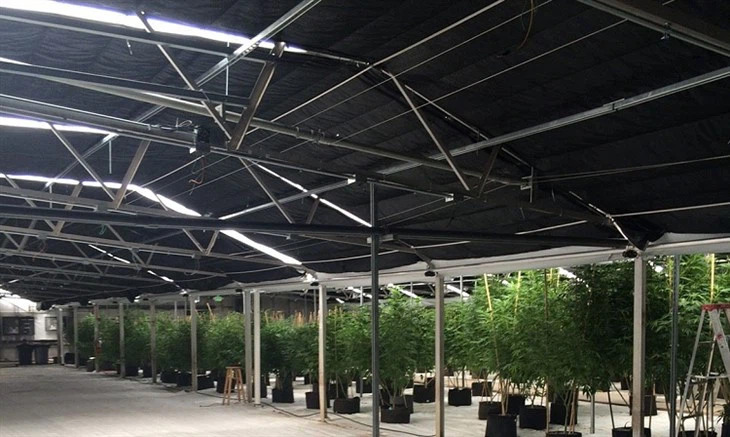
Size and Shape
Make sure to measure the area you want to cover accurately before buying a sun shading net. You can get nets in different sizes and shapes, and some can even be custom - made.
If you're covering a large area, like a big greenhouse, you might need to combine multiple nets. In this case, make sure they can be easily joined together.
Cost
Cost is always a consideration. While you don't want to overspend, remember that a cheap net might not be the best investment. You're better off spending a bit more on a high - quality net that will last longer and perform better.
Compare prices from different suppliers, but also take into account the quality, shade percentage, and durability of the net. Sometimes, a slightly more expensive net can save you money in the long term because you won't have to replace it as often.
Installation
Think about how easy it is to install the sun shading net. Some nets come with built - in grommets or loops that make it easy to attach them to a frame or structure. Others might require more complex installation methods.
If you're not very handy, look for a net that's simple to install. There are also plenty of online tutorials that can guide you through the installation process.
Maintenance
Finally, consider the maintenance requirements of the net. HDPE nets are generally low - maintenance, but they still need some care. You'll need to clean them occasionally to remove dirt and debris.
Make sure to follow the manufacturer's instructions for cleaning and storage. Proper maintenance will help extend the life of your sun shading net.
Conclusion
Choosing the right HDPE sun shading net for your needs doesn't have to be a headache. By considering factors like shade percentage, color, durability, size, cost, installation, and maintenance, you can make an informed decision.
If you have any questions or need more advice on choosing the perfect sun shading net, don't hesitate to reach out. We're here to help you find the best solution for your specific situation. Whether you're a gardener, a homeowner, or a business owner, we've got the right net for you. Contact us today to start the procurement discussion and get the ideal HDPE sun shading net for your needs!
References
- General knowledge from years of experience in the HDPE sun shading net industry.
- Manufacturer's guidelines and product specifications.