

Yo, folks! As a supplier of white shade netting, I often get asked if it's available in different patterns. Well, the short answer is yes! And in this blog, I'm gonna dive deep into the world of white shade netting patterns, what they mean, and how they can benefit you.
First off, let's talk about why white shade netting is so popular. White shade netting is great because it reflects a significant amount of sunlight while still allowing some light to pass through. This helps in regulating the temperature inside greenhouses, protecting plants from excessive heat, and reducing the risk of sunburn. It's also less likely to absorb heat compared to darker-colored shade nets, which can be a huge advantage in hot climates.
Now, onto the patterns. There are several common patterns available in white shade netting, each with its own unique characteristics and uses.
Square Mesh Pattern
One of the most common patterns is the square mesh pattern. This pattern consists of evenly spaced squares throughout the netting. The size of the squares can vary, depending on your specific needs. Smaller square meshes, say around 1mm to 5mm, are great for providing fine shade and protection against small insects. They can be used in nurseries where young plants need a gentle and consistent level of shade.
On the other hand, larger square meshes, from 10mm to 20mm, allow more air and light to pass through. This makes them suitable for larger plants that need good ventilation and a bit more sunlight. For example, in a greenhouse growing tomatoes or cucumbers, a larger square mesh white shade netting can help maintain the right balance of light and air circulation. You can check out our White Shade Netting options with different square mesh sizes to find the perfect fit for your plants.
Diamond Mesh Pattern
The diamond mesh pattern is another popular choice. It gives the netting a distinctive look and offers some unique benefits. The diamond shape allows for better flexibility and stretchability compared to the square mesh pattern. This can be useful when you need to cover irregularly shaped structures or when you want to drape the netting over curved surfaces.
Diamond mesh white shade netting also provides a more even distribution of shade. The way the diamonds are arranged helps to scatter the sunlight, reducing the formation of harsh shadows. This is particularly beneficial for plants that are sensitive to uneven light exposure. If you're growing delicate flowers or herbs, a diamond mesh white shade netting can create a more consistent growing environment. You can explore our Hdpe Sun Shading Net with diamond mesh patterns to see how it can enhance your gardening or agricultural setup.

Knitted Pattern
Knitted white shade netting has a unique texture and structure. It's made by interlocking loops of yarn, which gives it a soft and flexible feel. This type of netting is often used in situations where you need a more lightweight and breathable shade solution.
The knitted pattern allows for excellent air movement, which is crucial for preventing the buildup of humidity and reducing the risk of fungal diseases. It's also very easy to install and can be cut to size without fraying. Whether you're using it in a small backyard garden or a large commercial greenhouse, knitted white shade netting can be a practical and effective choice.
Striped Pattern
Striped white shade netting is a bit different from the other patterns. It features alternating stripes of different densities or colors. This pattern can be used to create a more dynamic and customizable shade environment. For example, you can have wider stripes of a higher-density shade area for plants that need more protection, and narrower stripes of a lower-density area for those that can tolerate more sunlight.
The striped pattern also adds a decorative element to your greenhouse or garden. It can make the space look more interesting and visually appealing. If you're looking for a functional yet stylish shade solution, our striped white shade netting might be just what you need.
Choosing the Right Pattern
So, how do you choose the right pattern for your white shade netting? Well, it all depends on your specific requirements. Consider the type of plants you're growing, the amount of sunlight they need, and the climate in your area.
If you're in a hot and sunny region, a smaller square mesh or a high-density knitted pattern might be the best choice to provide maximum shade. On the other hand, if you're in a cooler climate or have plants that need more sunlight, a larger square mesh or a striped pattern with lower-density areas could be more suitable.
It's also important to think about the structure you're covering. If it's a simple rectangular greenhouse, any pattern will work fine. But if you have a more complex structure, like a dome-shaped greenhouse or a curved trellis, a diamond mesh or a knitted pattern might be easier to install and conform to the shape.
Comparing with Black Shade Cloth
You might be wondering how white shade netting compares to Black Shade Cloth Agriculture Greenhouse. While black shade cloth is also effective at blocking sunlight, white shade netting has some advantages. As mentioned earlier, white reflects more sunlight and absorbs less heat, which can help keep the temperature inside the greenhouse more stable.
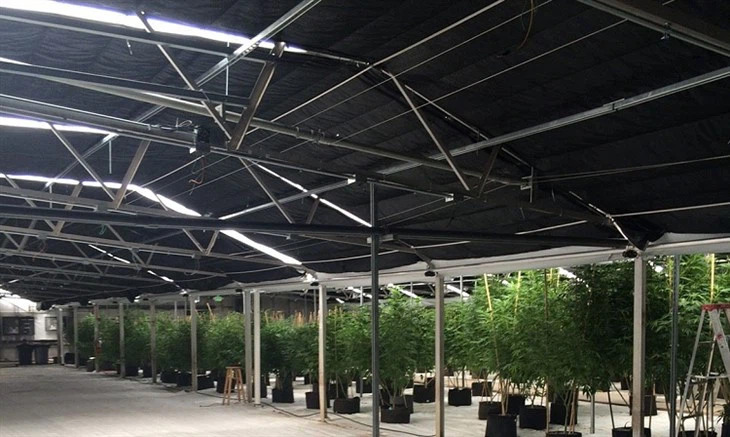
Black shade cloth, on the other hand, absorbs a lot of heat, which can raise the temperature in the immediate vicinity. This might not be ideal in extremely hot climates. However, black shade cloth is often more opaque and can provide a higher level of shade if that's what you need.
In the end, the choice between white shade netting and black shade cloth depends on your specific situation and preferences. You might even consider using a combination of both in different areas of your greenhouse to create the perfect growing environment.
Conclusion
In conclusion, white shade netting is available in a variety of patterns, each with its own set of benefits. Whether you're a small-scale gardener or a large commercial farmer, there's a pattern out there that can meet your needs. From the classic square mesh to the unique striped pattern, you have plenty of options to choose from.
If you're interested in purchasing white shade netting or have any questions about the different patterns, don't hesitate to reach out. We're here to help you find the best solution for your plants and your growing space. Contact us today to start a conversation about your white shade netting needs, and let's work together to create a thriving and productive garden or greenhouse.
References
- General knowledge of horticulture and shade netting industry.
- Experience and expertise as a white shade netting supplier.


