Training tomato plants in a greenhouse is an art that combines science and practical experience. As a supplier of tomato plant greenhouses, I've witnessed firsthand the transformative impact of proper training techniques on tomato yields and quality. In this blog, I'll share the best ways to train tomato plants in a greenhouse, ensuring you get the most out of your cultivation efforts.
Understanding the Basics of Tomato Plant Training
Before diving into the training methods, it's essential to understand why training is necessary. Tomato plants are vigorous growers, and without proper guidance, they can become a tangled mess of vines, leaves, and fruits. Training helps to:
- Improve Air Circulation: By spreading out the branches, air can flow more freely through the plant, reducing the risk of fungal diseases.
- Enhance Light Penetration: Proper training ensures that all parts of the plant receive adequate sunlight, promoting photosynthesis and fruit development.
- Facilitate Harvesting: A well-trained plant is easier to navigate, making it simpler to pick ripe tomatoes without damaging the plant.
- Increase Yield: By directing the plant's energy towards fruit production, training can significantly increase the number and size of tomatoes.
Choosing the Right Greenhouse
The type of greenhouse you choose plays a crucial role in the success of your tomato plants. At our company, we offer a range of greenhouses, including Shade Greenhouse, Plastic Uv Greenhouse, and Agricultural Plastic Film Greenhouse. Each type has its own advantages, depending on your specific needs and climate conditions.
- Shade Greenhouse: Ideal for regions with intense sunlight, a shade greenhouse provides protection from excessive heat and UV radiation. This type of greenhouse is perfect for growing tomatoes during the summer months.
- Plastic Uv Greenhouse: Designed to block harmful UV rays while allowing sufficient sunlight to penetrate, a plastic UV greenhouse helps to maintain a stable temperature and humidity level. This is especially beneficial for tomato plants, which are sensitive to extreme weather conditions.
- Agricultural Plastic Film Greenhouse: A cost-effective option, an agricultural plastic film greenhouse is easy to install and maintain. It provides a suitable environment for tomato plants to grow and thrive, making it a popular choice among small-scale farmers and home gardeners.
Training Methods for Tomato Plants
There are several training methods you can use to train your tomato plants in a greenhouse. The most common methods include:
- Staking: Staking is a simple and effective way to train tomato plants. It involves driving a stake into the ground next to the plant and tying the main stem to the stake using soft twine or plant ties. As the plant grows, you'll need to continue tying the stem to the stake at regular intervals to keep it upright.
- Caging: Caging is another popular method for training tomato plants. It involves placing a wire cage around the plant to provide support and prevent it from falling over. Cages come in various sizes and shapes, so you can choose one that suits the size and growth habit of your tomato plants.
- Trellising: Trellising is a more advanced training method that involves using a trellis system to support the tomato plants. A trellis can be made from a variety of materials, such as wood, metal, or plastic. It provides a framework for the plants to climb and spread out, allowing for better air circulation and light penetration.
- Pruning: Pruning is an essential part of tomato plant training. It involves removing the suckers, which are the small shoots that grow in the axils between the main stem and the branches. Pruning helps to direct the plant's energy towards fruit production and reduces the risk of disease.
Step-by-Step Guide to Training Tomato Plants
Now that you understand the different training methods, here's a step-by-step guide to training your tomato plants in a greenhouse:
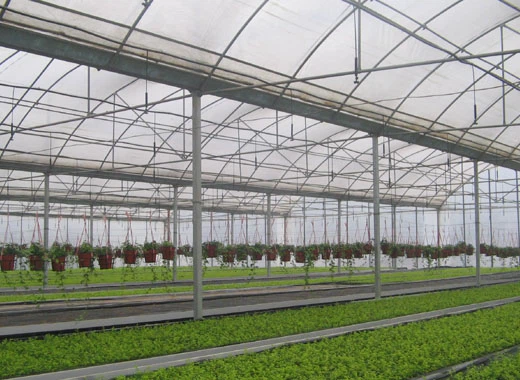

- Prepare the Greenhouse: Before planting your tomato seedlings, make sure the greenhouse is clean and free of debris. Check the temperature, humidity, and ventilation to ensure they are within the optimal range for tomato plants.
- Plant the Seedlings: Plant the tomato seedlings in the greenhouse, spacing them according to the recommended distance for the variety you're growing. Make sure the soil is well-drained and rich in organic matter.
- Install the Support System: Depending on the training method you've chosen, install the support system, such as stakes, cages, or trellises. Make sure the support system is sturdy and can withstand the weight of the plants.
- Train the Plants: As the tomato plants grow, start training them using the chosen method. Tie the main stem to the support system at regular intervals, and remove the suckers to promote fruit production.
- Monitor and Maintain the Plants: Regularly monitor the tomato plants for signs of disease, pests, or nutrient deficiencies. Water the plants as needed, and fertilize them according to the recommended schedule.
- Harvest the Tomatoes: Once the tomatoes are ripe, harvest them carefully to avoid damaging the plants. Enjoy the fruits of your labor!
Tips for Successful Tomato Plant Training
Here are some additional tips to help you train your tomato plants successfully in a greenhouse:
- Choose the Right Variety: Select tomato varieties that are suitable for greenhouse cultivation. Some varieties are more compact and easier to train, while others are more vigorous and require more support.
- Provide Adequate Support: Make sure the support system you use is strong enough to support the weight of the plants. As the plants grow, you may need to adjust the support system to prevent it from collapsing.
- Prune Regularly: Regular pruning is essential for maintaining the health and productivity of the tomato plants. Remove the suckers and any diseased or damaged leaves to promote air circulation and reduce the risk of disease.
- Monitor the Environment: Keep a close eye on the temperature, humidity, and ventilation in the greenhouse. Make adjustments as needed to ensure the plants are growing in a comfortable environment.
- Use Organic Fertilizers: Use organic fertilizers to provide the tomato plants with the nutrients they need. Organic fertilizers are gentle on the plants and the environment, and they help to improve the soil quality over time.
Conclusion
Training tomato plants in a greenhouse is a rewarding experience that can yield delicious and nutritious tomatoes. By choosing the right greenhouse, using the appropriate training methods, and following the tips outlined in this blog, you can ensure the success of your tomato cultivation. At our company, we're committed to providing high-quality greenhouses and expert advice to help you achieve your gardening goals. If you're interested in learning more about our products or have any questions about tomato plant training, please don't hesitate to contact us. We'd be happy to assist you!
References
- "Tomato Plant Training: A Comprehensive Guide." Gardening Know How.
- "The Best Greenhouses for Growing Tomatoes." Greenhouse Today.
- "Pruning Tomato Plants: Why and How to Do It." The Spruce.