Hey there! I'm a supplier of rain shelter greenhouses, and I've been getting a lot of questions lately about whether these greenhouses need special ventilation. Well, let's dive right into it and find out.
First off, let's understand what a rain shelter greenhouse is. It's basically a structure that protects your plants from rain while still allowing them to get plenty of sunlight. These greenhouses are great for growing all sorts of crops, especially those that are sensitive to too much moisture. You can check out some of our awesome options like the Vegetable Plastic Film Greenhouse, Shade Greenhouse, and Tunnel Vision Greenhouse.
Now, back to the question at hand: do rain shelter greenhouses need special ventilation? The short answer is yes, and here's why.
Ventilation plays a crucial role in maintaining a healthy environment inside the greenhouse. Without proper ventilation, a whole bunch of problems can pop up. For starters, the temperature inside the greenhouse can get way too high. During the day, the sun heats up the air inside the greenhouse, and if there's no way for that hot air to escape, it can reach levels that are harmful to your plants. High temperatures can cause wilting, stunted growth, and even death in some cases.
Another issue is humidity. When it rains, the air inside the greenhouse can become extremely humid. If this humid air isn't circulated properly, it can lead to the growth of mold and mildew. These fungi can damage your plants, making them more susceptible to diseases. Plus, high humidity can also affect the pollination process, which is essential for fruit and vegetable production.
Special ventilation systems are designed to address these problems. They help regulate the temperature by allowing hot air to escape and bringing in cooler air from outside. This keeps the temperature inside the greenhouse at a level that's optimal for plant growth. Ventilation also helps control humidity by removing the excess moisture from the air. By doing so, it reduces the risk of mold and mildew growth and promotes better air quality for your plants.
There are different types of ventilation systems that you can choose from for your rain shelter greenhouse. One common option is natural ventilation. This involves using vents and openings in the greenhouse to allow air to flow in and out. You can install side vents, ridge vents, or even louvers to facilitate natural air movement. Natural ventilation is cost - effective and energy - efficient, but it may not be sufficient in extreme weather conditions or in larger greenhouses.
For more precise control, you can opt for mechanical ventilation systems. These include fans and blowers that are powered by electricity. Fans can be installed on the walls or ceiling of the greenhouse to circulate the air. You can choose from exhaust fans, which suck out the hot and humid air, or intake fans, which bring in fresh air from outside. Some advanced mechanical ventilation systems also come with sensors that can automatically adjust the fan speed based on the temperature and humidity levels inside the greenhouse.
When selecting a ventilation system for your rain shelter greenhouse, there are a few things to consider. First, think about the size of your greenhouse. Larger greenhouses will require more powerful ventilation systems to ensure proper air circulation. You also need to take into account the climate in your area. If you live in a hot and humid region, you'll need a more robust ventilation system to keep the temperature and humidity in check.
The type of crops you're growing is another important factor. Some plants are more sensitive to temperature and humidity changes than others. For example, tropical plants may require a more stable and warm environment, while cool - season crops can tolerate lower temperatures. Make sure the ventilation system you choose can meet the specific needs of your plants.
Let's talk about the benefits of investing in a special ventilation system for your rain shelter greenhouse. First of all, it can significantly improve the quality and quantity of your crop yield. By maintaining a stable temperature and humidity, your plants will grow healthier and produce more fruits and vegetables. This means more profit for you in the long run.
Proper ventilation also reduces the need for pesticides and fungicides. Since it helps prevent the growth of mold and mildew, you won't have to rely as much on chemical treatments to keep your plants healthy. This is not only better for the environment but also for the quality of your produce.
In addition, a well - ventilated greenhouse is more comfortable for you to work in. You won't have to deal with the sweltering heat and stuffy air, which makes the whole gardening experience much more enjoyable.
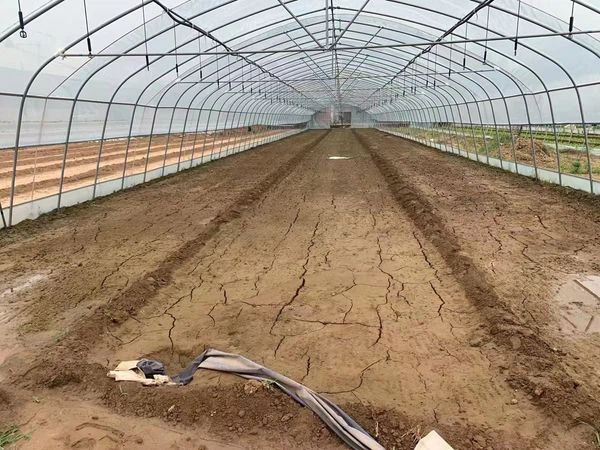

So, if you're thinking about setting up a rain shelter greenhouse or already have one, don't overlook the importance of special ventilation. It's an investment that will pay off in terms of plant health, crop yield, and overall greenhouse performance.
If you're interested in learning more about our rain shelter greenhouses and the ventilation systems we offer, or if you have any questions about choosing the right setup for your needs, don't hesitate to reach out. We're here to help you make the best decisions for your greenhouse and ensure that you get the most out of your investment. Contact us today to start a conversation about your greenhouse project and let's work together to create a thriving growing environment for your plants.
References
- "Greenhouse Gardening Basics" by Greenhouse Grower Magazine
- "The Science of Greenhouse Ventilation" by University of Agricultural Sciences