

Lightning strikes pose a significant threat to PC sheet greenhouses. As a seasoned supplier of link text: Commercial Polycarbonate Greenhouse, link text: Polycarbonate Aluminium Greenhouse, and link text: Agricultural PC Sheet Greenhouse, I understand the importance of protecting these structures. This blog will explore effective strategies to prevent lightning strikes on PC sheet greenhouses, ensuring the safety of both the structure and the valuable crops inside.
Understanding the Risk
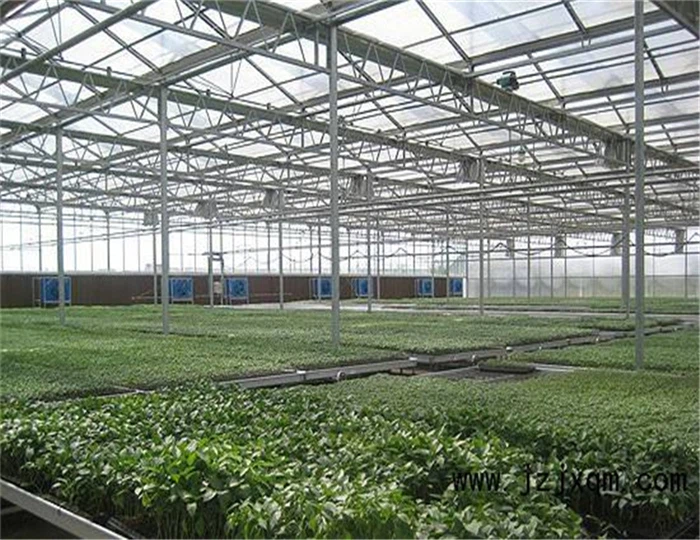
Before delving into prevention methods, it's crucial to understand why PC sheet greenhouses are vulnerable to lightning strikes. The large, open areas of these greenhouses, combined with their often elevated positions in fields, make them attractive targets for lightning. Additionally, the metal components in the greenhouse structure, such as aluminum frames, can act as conductors, increasing the risk of damage if struck.
Lightning is a powerful natural phenomenon that can cause extensive damage to a greenhouse. A direct strike can shatter the PC sheets, damage the structural integrity of the frame, and even start electrical fires. Indirect strikes can also cause problems, as the electromagnetic fields generated by lightning can damage electrical equipment inside the greenhouse, such as irrigation systems, climate controls, and lighting.
Grounding Systems
One of the most effective ways to prevent lightning strikes on a PC sheet greenhouse is to install a proper grounding system. A grounding system provides a low - resistance path for lightning to follow, directing the electrical current safely into the ground instead of through the greenhouse structure.

Ground Rod Installation
The first step in creating a grounding system is to install ground rods. These are typically made of copper or galvanized steel and are driven into the ground around the perimeter of the greenhouse. The number and depth of the ground rods depend on the size of the greenhouse and the soil conditions. In general, for a small to medium - sized greenhouse, at least four ground rods should be installed, spaced evenly around the structure. The rods should be driven at least 8 feet into the ground to ensure good electrical contact.
Bonding
Once the ground rods are installed, all metal components of the greenhouse, including the frame, electrical conduits, and any metal equipment inside, should be bonded together. Bonding involves using a conductor, such as a copper wire, to connect all the metal parts. This ensures that the entire structure is at the same electrical potential, reducing the risk of electrical arcing and damage in the event of a lightning strike.
Grounding the Electrical System
The electrical system in the greenhouse should also be properly grounded. This includes the main electrical panel, as well as any sub - panels and electrical equipment. A dedicated grounding electrode conductor should be used to connect the electrical system to the grounding rods. This helps to protect the electrical components from damage caused by lightning - induced surges.
Lightning Rods
Lightning rods, also known as air terminals, are another important component of a lightning protection system. These devices are installed at the highest points of the greenhouse and are designed to attract lightning strikes. When lightning approaches, the lightning rod provides a preferred path for the electrical current, diverting it safely to the ground through the grounding system.
Placement
Proper placement of lightning rods is crucial for their effectiveness. They should be installed at the peak of the greenhouse roof, as well as at any other high points, such as ventilation towers or chimneys. The spacing between lightning rods depends on the height and shape of the greenhouse. As a general rule, the distance between lightning rods should not exceed 20 feet, and they should be at least 10 feet above the highest point of the greenhouse structure.
Maintenance
Lightning rods require regular maintenance to ensure their continued effectiveness. They should be inspected periodically for signs of damage, corrosion, or loose connections. Any damaged or corroded parts should be replaced immediately.
Surge Protectors
In addition to grounding systems and lightning rods, surge protectors are essential for protecting the electrical equipment inside a PC sheet greenhouse. Lightning strikes can generate large electrical surges that can damage sensitive electronic components. Surge protectors work by diverting excess electrical current away from the equipment, preventing it from causing damage.
Installation
Surge protectors should be installed at the main electrical panel of the greenhouse, as well as at any sub - panels and individual electrical devices. There are different types of surge protectors available, including whole - house surge protectors and point - of - use surge protectors. Whole - house surge protectors provide broad protection for the entire electrical system, while point - of - use surge protectors are designed to protect specific devices.
Types
When selecting surge protectors, it's important to choose ones with a high joule rating. The joule rating indicates the amount of energy the surge protector can absorb before it fails. A higher joule rating provides better protection against large lightning - induced surges.
Structural Design Considerations
The design of the PC sheet greenhouse can also play a role in preventing lightning strikes. For example, a greenhouse with a low - profile design is less likely to be struck by lightning than a tall, narrow greenhouse. Additionally, the use of non - conductive materials in the construction of the greenhouse can reduce the risk of electrical conductivity in the event of a strike.
Shape and Height
Consider the shape and height of the greenhouse when designing it. If possible, opt for a design that has a lower height and a more rounded shape, as this can help to reduce the likelihood of lightning attraction. However, it's important to balance this with the practical requirements of the greenhouse, such as ventilation and crop growth.
Material Selection
When choosing materials for the greenhouse, consider using non - conductive materials for the frame and other components whenever possible. While aluminum is a popular choice for greenhouse frames due to its durability and light weight, non - metallic materials such as fiberglass or reinforced plastic can be used in some applications to reduce the risk of electrical conductivity.
Monitoring and Maintenance
Once a lightning protection system is installed, it's important to monitor and maintain it regularly. This includes inspecting the grounding system, lightning rods, and surge protectors for signs of damage or wear. Any issues should be addressed immediately to ensure the continued effectiveness of the protection system.
Regular Inspections
Conduct regular inspections of the entire lightning protection system, at least once a year. Look for signs of corrosion, loose connections, or physical damage to the ground rods, lightning rods, and conductors. Check the condition of the surge protectors and replace them if they have been triggered or show signs of wear.
Weather Monitoring
In addition to the physical inspections, it's also a good idea to monitor the weather. Use weather forecasting services to stay informed about potential thunderstorms in the area. If a thunderstorm is approaching, take precautions such as turning off non - essential electrical equipment in the greenhouse.
Conclusion
Preventing lightning strikes on a PC sheet greenhouse is essential for protecting the structure and the valuable crops inside. By implementing a comprehensive lightning protection system that includes grounding systems, lightning rods, surge protectors, and proper structural design, you can significantly reduce the risk of damage from lightning.
As a supplier, I am committed to providing high - quality PC sheet greenhouses and can offer guidance on the installation of lightning protection systems. If you are interested in purchasing a link text: Commercial Polycarbonate Greenhouse, link text: Polycarbonate Aluminium Greenhouse, or link text: Agricultural PC Sheet Greenhouse, and want to discuss lightning protection options, please feel free to get in touch for a detailed discussion and procurement negotiation.
References
- Uman, Martin A. "Lightning." Academic Press, 1987.
- NFPA 780. Standard for the Installation of Lightning Protection Systems. National Fire Protection Association, 2022.
- IEEE Std 142-2016. IEEE Recommended Practice for Grounding of Industrial and Commercial Power Systems (Green Book). Institute of Electrical and Electronics Engineers, 2016.


